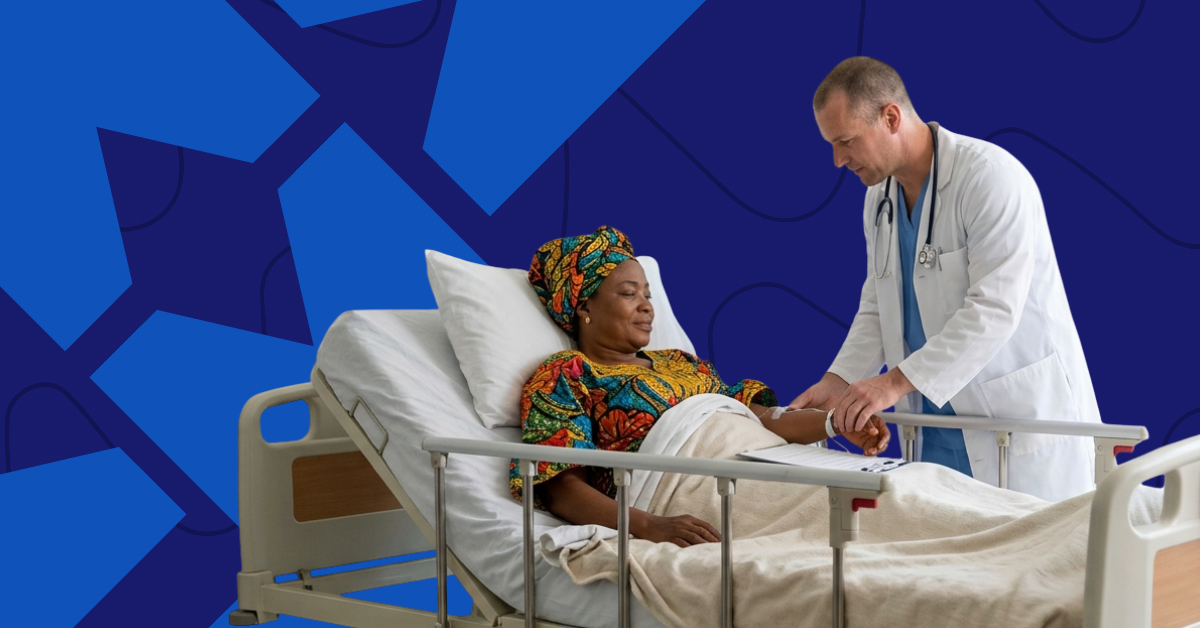
Travel medical and emergency cover is the part of a travel insurance policy that pays for illness, injury and emergencies while you are abroad. It covers emergency treatment, hospitalisation, emergency evacuation and repatriation back to Nigeria, up to a stated limit. It is the most important benefit in any travel policy, because an overseas medical emergency is both the most likely large claim and the most expensive. This guide explains what it covers, how the limits work, and what it leaves out.
Table of contents
Quick definition
Travel medical and emergency cover pays for emergency healthcare you need while travelling abroad, from a doctor's visit to hospitalisation and, if necessary, an emergency flight home. It is separate from your regular Nigerian health insurance, which does not cover you overseas.
01 · Cover
What it covers
A typical travel medical benefit covers:
Emergency medical treatment and doctor's consultations
Hospitalisation and emergency surgery
Prescribed medication and ambulance costs
Emergency dental treatment, usually up to a small limit
Emergency medical evacuation and repatriation to Nigeria
Limits and conditions vary by insurer and plan, so the figure beside each benefit matters as much as the benefit itself. Our travel insurance comparison guide explains how plan types and coverage levels differ.
02 · Medical limit
How the medical limit works
The medical limit is the maximum the insurer will pay for your treatment, and it is the single most important number in the policy. For a Schengen visa, the limit must be at least €30,000, which also serves as a useful benchmark for other destinations. Higher-cost destinations such as the United States justify a much higher limit, because a single hospital stay there can run to tens of thousands of dollars. Match the limit to where you are going, not just to the minimum that secures a visa. Our guide on getting travel insurance for your Schengen visa sets out the Schengen requirement in detail.
03 · Getting you home
Emergency evacuation and repatriation
If local facilities cannot treat you, or you need to be brought home, emergency evacuation and repatriation cover the cost of moving you safely, which can be enormous. An air ambulance back to Nigeria can exceed €50,000, a sum that would be ruinous without cover. Confirm that your policy includes evacuation and repatriation, and understand that repatriation has conditions; it does not mean the insurer will fly you home for any reason you choose.
04 · Pre-existing
Pre-existing conditions
Pre-existing medical conditions are a common source of refused claims. Many policies exclude them unless you declare the condition and the insurer agrees to cover it, sometimes for an extra premium. If you have a medical condition, disclose it honestly before you buy. An undisclosed condition can void a claim at exactly the moment you need it most.
05 · Exclusions
What it does not cover
Travel medical cover is for emergencies, not routine or elective care. It generally excludes planned or non-emergency treatment, ongoing treatment for undeclared conditions, injuries from high-risk activities unless added as an extension, incidents involving alcohol or drugs, and treatment sought against medical advice. Read the exclusions so you know the edges of your cover.
06 · Why it matters
Why this is the benefit that matters most
Trip cancellation and lost baggage are inconveniences; an untreated medical emergency abroad is a catastrophe. The medical and emergency benefit is the reason travel insurance exists, and it should be the first thing you check on any policy. When comparing plans, prioritise the medical limit, evacuation and repatriation over minor perks. Our guide to the best travel insurance plans for Nigerians travelling abroad ranks policies on exactly these terms.
07 · FAQs
Frequently asked questions
What is the minimum medical cover I need?
For a Schengen visa, at least €30,000. For other destinations, match the limit to local healthcare costs; higher-cost countries such as the United States warrant a much higher limit.
Does travel medical insurance cover pre-existing conditions?
Only if declared and specifically covered. Undeclared conditions are usually excluded, so disclose any condition before you buy.
What is the difference between evacuation and repatriation?
Evacuation moves you to the nearest adequate hospital; repatriation brings you back to Nigeria when medically necessary. Both are costly and should be included in your cover.
Does my Nigerian HMO cover me abroad?
Generally no. Nigerian health cover stops at the border. Travel medical insurance is what covers emergencies overseas.
Your next step
Compare cover on the medical limit
Compare insurance plans from NAICOM-licensed providers and weigh the medical limit, evacuation and repatriation before you buy.
Travel medical and emergency cover is the core of any travel policy and the benefit most likely to save you from a serious loss. Match the medical limit to your destination, confirm that evacuation and repatriation are included, and declare any medical condition before you travel. To see how insurers compare on these terms, our ranking of the best travel insurance for Nigerians is a useful next step. Everything else in a travel policy is helpful; this is the part you cannot do without.
Insurance cover, premiums, limits, exclusions, eligibility and claim outcomes depend on current policy wording and individual circumstances. Confirm the latest terms with a NAICOM-licensed insurer or authorised provider before buying or acting. This article provides general information and is not personal financial, legal or insurance advice.
Noella Lepdung, LL.B, is a strategist and writer specialising in financial services, SEO, and digital content. With a background in brand storytelling and organic growth, she creates research-driven content that makes complex topics accessible, engaging, and useful to readers. Her experience spans financial services, healthcare, and consumer brands, and her portfolio includes work for brands such as nairaCompare, Monieworx, Leadway Group, Budweiser, The Coca-Cola Company, Nivea, and Honeywell Foods.