



.png?width=40&height=40&name=Rectangle%202052%20(2).png)
.png?width=40&height=40&name=Rectangle%202052%20(1).png)







.jpg?width=1200&height=628&name=Your%20Complete%20Guide%20to%20Comparing%20Health%20Insurance%20Plans%20for%20Businesses%20in%20Nigeria%20(2026%20Edition).jpg)
.png?width=1266&height=427&name=blog%20header%20(27).png)
.webp?width=1266&height=427&name=blog%20header%20(38).webp)
%20(1).jpg?width=1200&height=628&name=Complete%20Guide_%20Sending%20Money%20from%20UK%20to%20Nigeria%20(2026)%20(1).jpg)


.webp?width=1200&height=628&name=Health%20Insurance%20Cost%20Report%20(2026).webp)

.png?width=1266&height=427&name=blog%20header%20(19).png)
.png?width=1266&height=427&name=blog%20header%20(30).png)
Author Noella Lepdung
Introduction
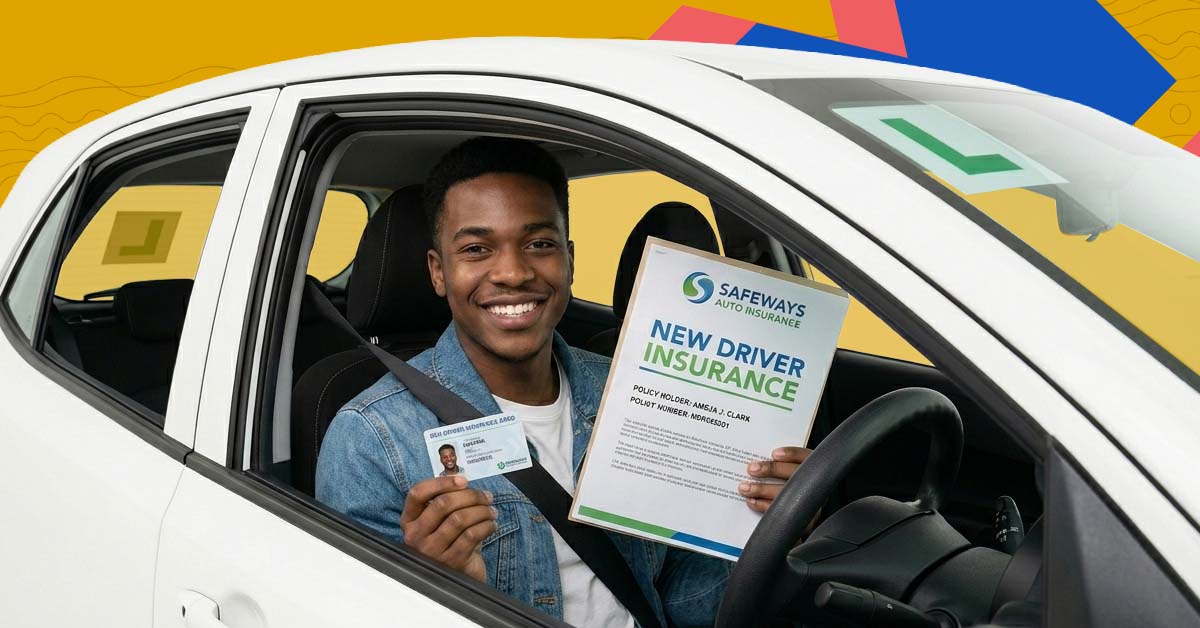
You passed your driving test, got your licence, and now you need insurance before you can legally put that car on the road. But the moment you start asking around, you run into premium quotes that vary wildly, policy terms you have never heard before, and agents who seem more interested in closing a sale than explaining what you are actually buying.
This guide is for new drivers in Nigeria who want straightforward answers: what car insurance you are legally required to have, what your options actually are, what it costs, how to buy it properly, and how to avoid the mistakes that catch first-time policyholders off guard.
Table of Contents
- What the Law Requires
- Types of Car Insurance in Nigeria
- What You Will Need to Buy a Policy
- How to Calculate Your Premium
- How to Buy Car Insurance: Step-by-Step
- What New Drivers Often Get Wrong
- nairaCompare Insight
- FAQs
- Related Resources
- Conclusion
What the Law Requires
Every vehicle on a public road in Nigeria must carry a minimum of third-party motor insurance. This requirement exists under the Insurance Act and is enforced by the Federal Road Safety Corps (FRSC) and Vehicle Inspection Officers (VIO). Driving without valid insurance exposes you to fines, vehicle impoundment, and potential prosecution.
Third-party insurance is not optional, even if your car is old and low-value. The law does not care what the vehicle is worth — it cares whether you are covered for harm you might cause to other people and their property. If you are involved in an accident that injures someone or damages their vehicle, third-party cover is what protects you from paying out of pocket for those costs.
The Nigeria Insurance Industry Reform Act (NIIRA) 2025 strengthens regulatory oversight of claims handling and is aimed at improving timeliness and transparency in motor insurance claim settlements under NAICOM supervision. All motor insurance policies must be purchased from NAICOM-licensed insurers. Fake motor insurance papers are common in Nigeria — NAICOM estimates that 60% of motor insurance papers on Nigerian roads are counterfeit. Always verify your policy through the Nigeria Insurance Industry Database (NIID) using your vehicle's plate number or chassis number before assuming you are covered.

Types of Car Insurance in Nigeria
There are three main types of motor insurance available to Nigerian drivers. As a new driver, understanding the difference before you buy will save you from either being underinsured or paying for coverage you do not need.
Third-Party Insurance
This is the minimum legal requirement. It covers bodily injury or death you cause to third parties, property damage to other people's vehicles (up to the limit in your policy, typically ₦1 million to ₦5 million depending on the insurer), and legal defence costs if you are sued for accident damages. It does not cover repairs to your own car, theft, fire, or personal medical costs.
Third-party insurance makes sense for vehicles with a current market value below ₦2 million, where the cost of comprehensive cover may exceed the value of the car itself.
Third-Party, Fire and Theft
This middle-ground option adds fire damage and vehicle theft to your third-party cover. It does not cover accident damage to your own vehicle. Pricing sits between basic third-party and full comprehensive.
Comprehensive Insurance
Comprehensive cover protects your own vehicle in addition to the third-party liability that is legally required. It typically includes:
- Damage to your car from accidents
- Theft
- Fire, flood, and natural disaster damage
- Vandalism
- Windscreen repairs
- Towing (usually up to ₦50,000–₦100,000)
- Personal accident benefits for the driver
Comprehensive cover is calculated as a percentage of your vehicle's current market value, typically 5% per year. For a ₦3 million vehicle, that translates to approximately ₦150,000 annually. If your car is financed through a loan, your lender will almost certainly require comprehensive cover as a condition of the loan.
What You Will Need to Buy a Car Insurance Policy
Before approaching any insurer or comparison platform, gather the following:
- Vehicle registration documents (proof of ownership)
- Vehicle identification number (VIN/chassis number)
- Your driver's licence (new drivers should have this finalised before purchasing insurance)
- Your BVN and a valid means of identification (national ID, international passport, or voter's card)
- Current market valuation of your vehicle (needed for comprehensive policies — check car dealer listings or ask the insurer for a valuation)
- Address of where the vehicle is garaged
- Intended vehicle use (private or commercial — commercial use attracts higher premiums)
Having these ready before you request quotes will help ensure the quotes you receive are accurate, rather than indicative prices that change once the insurer sees the actual vehicle details.
How to Calculate Your Premium
For third-party insurance: Flat rates apply regardless of vehicle value. Private car owners typically pay ₦5,000–₦20,000 per year, depending on the insurer and vehicle class. Commercial vehicles attract higher rates.
For comprehensive insurance: The standard calculation is: Annual premium = Current market value of vehicle × 0.05 (i.e., 5%). Some insurers price between 3% and 7% depending on vehicle age, usage type, and security features installed.
For practical reference:
- ₦2 million vehicle: approximately ₦100,000/year
- ₦4 million vehicle: approximately ₦200,000/year
- ₦7 million vehicle: approximately ₦350,000/year
Some insurers may apply higher premiums for new drivers due to perceived higher risk, depending on their underwriting policies and risk assessment models., reflecting the statistically higher accident risk in that group. This is not universal, but it is worth asking about when getting quotes.
Additional costs to factor in include excess buyback (₦10,000–₦30,000), tracker installation requirements on higher-value vehicles, and any additional riders.
How to Buy Car Insurance: Step-by-Step
Step 1: Determine your coverage type. Based on the value of your vehicle and your budget, decide whether third-party or comprehensive cover is appropriate. Do not compare a third-party quote from one insurer against a comprehensive quote from another — compare like for like.
Step 2: Establish your vehicle's current market value. Use your insurer's valuations, current dealer listings, or classified marketplaces to determine what your car would cost to replace today. This figure becomes your insured declared value (IDV). Underinsuring to reduce your premium means the proportional average clause applies to any claim — the insurer pays only a proportionate share of your loss.
Step 3: Request quotes from at least three NAICOM-licensed insurers. Major licensed motor insurers in Nigeria include Leadway Assurance, AIICO Insurance, AXA Mansard, Custodian Insurance, and Coronation Insurance. When comparing quotes, look beyond the premium to assess third-party property damage limits, exclusions, deductible amounts, and claims reputation.
Step 4: Verify each insurer's NAICOM licence. Check on the NAICOM website before committing. Do not purchase insurance from unlicensed agents or through informal channels, however convenient they may seem.
Step 5: Read the exclusions section. Every policy has exclusions — events it will not cover. Common exclusions include wear and tear, mechanical breakdown, driving under the influence, driving without a valid licence, and using the vehicle for purposes not declared in the policy (for example, using a private vehicle for commercial hire). As a new driver, read this section carefully.
Step 6: Make payment through official channels only. Pay directly to the insurer or through a verified broker. Request your policy certificate and keep a digital copy. Check that the certificate matches your vehicle registration details exactly.
Step 7: Verify your policy on the NIID. After purchasing, visit the Nigeria Insurance Industry Database and verify your policy using your plate number or chassis number. This confirms your certificate is genuine and will be recognised by FRSC.
Step 8: Keep your insurance documents accessible. Maintain a physical copy in your vehicle and a digital copy on your phone. Some insurers offer mobile apps that display your policy status and certificate.
What New Drivers Often Get Wrong
Buying fake insurance. The cheapest "insurance" offered outside a licensed insurer's official channel is almost certainly counterfeit. A fake policy offers zero protection and will result in fines and impoundment at checkpoints. Always buy from a NAICOM-licensed insurer and verify through the NIID.
Choosing coverage based on premium alone. The lowest premium does not always represent the best value. A ₦5,000 third-party policy with a ₦1 million property damage limit leaves you personally liable for the remainder if you damage a ₦4 million vehicle. A policy with a ₦3 million or ₦5 million limit — available from several insurers at similar premium points — covers that scenario in full.
Undervaluing the vehicle to reduce the comprehensive premium. If you declare your ₦5 million vehicle as worth ₦2 million to cut premiums, your insurer will only pay ₦2 million in the event of total loss or theft. The saving is not worth the risk.
Not declaring the correct use. If you use a vehicle registered for private use to run a logistics or delivery business, your insurer may deny a claim on the basis of non-disclosure. Declare the correct use category when buying.
Letting the policy lapse. New drivers sometimes forget renewal dates. A lapsed policy means you are driving uninsured, which is both illegal and financially dangerous. Set a reminder 30 days before your renewal date.
nairaCompare Insight
For new drivers earning in the ₦500,000–₦999,000 range who have just purchased their first significant vehicle in Lagos, the instinct is often to take the cheapest available third-party policy and move on. The calculation changes quickly, however, when the vehicle is worth ₦3 million or more. At 5% of vehicle value, comprehensive cover costs ₦150,000 per year — roughly ₦12,500 per month. Against the total loss risk on a vehicle, you cannot replace from savings, that monthly outlay is a straightforward protection decision rather than a luxury. Our comparison tool allows you to compare comprehensive quotes across multiple NAICOM-licensed insurers side by side, so you can find competitive pricing without sacrificing coverage quality.
For new drivers on tighter budgets — particularly those in Abuja starting out with vehicles below ₦2 million — the appropriate entry point is third-party cover from a licensed insurer with a high property damage limit. The premium difference between a ₦1 million limit and a ₦3 million limit policy is often negligible, but the financial exposure gap is significant. Running a quick comparison before renewing or buying for the first time takes under 30 minutes on nairaCompare and can reveal options that your agent may not have shown you.
FAQs
Do I need insurance before I can register a vehicle in Nigeria?
Yes. Motor insurance is required as part of the vehicle registration process. You will need a valid third-party insurance certificate to register or re-register a vehicle.
Can I buy car insurance online in Nigeria?
Yes. Most major licensed insurers including Leadway, AIICO, AXA Mansard, and Custodian offer online quote generation and digital policy purchase. Policies bought online carry the same NAICOM-backed validity as branch-purchased ones and can be verified through the NIID.
How long does it take to get a car insurance policy?
For straightforward private vehicle cover, online policies can be issued within minutes after payment. Branch-based purchases typically take one to two working days to process and issue the certificate.
What happens if I have an accident in the first year of driving?
You notify your insurer as soon as possible after the incident — typically within 24 to 48 hours, though your policy documents will specify the exact timeframe. Late notification is one of the most common grounds for claim complications. Document the accident thoroughly with photographs, obtain the other party's details, and do not admit liability at the scene.
Will being a new driver affect my premium?
Some insurers apply a loading premium for drivers with fewer than two years of licensing history. This reflects actuarial risk data showing higher claim frequencies among new drivers. The additional cost varies by insurer, so it is worth comparing quotes across multiple providers rather than accepting the first figure quoted.
What is an excess and how does it affect my claim?
An excess (also called a deductible) is the amount you pay out of your own pocket before your insurer covers the rest of a claim. A policy with a ₦30,000 excess means that on a ₦200,000 repair claim, you pay ₦30,000 and your insurer covers ₦170,000. Higher excess amounts usually attract lower premiums but only accept a higher excess if you can comfortably cover that amount when needed.
What is the difference between a broker and an insurer?
An insurer is the licensed company that underwrites your policy and pays your claim. A broker or agent acts as an intermediary who helps you access insurer products. Brokers are useful for navigating options but always confirm that the underlying insurer is NAICOM-licensed and that your policy certificate is issued directly by the insurer, not just the agent.
How do I verify that my insurance certificate is genuine?
Visit the Nigeria Insurance Industry Database (NIID) online and enter your vehicle registration number or chassis number. The system will confirm whether a valid policy exists, who issued it, and when it expires.
Conclusion
Car insurance in Nigeria is not a bureaucratic formality — it is a legal requirement, a financial safety net, and one of the first real financial decisions you make as a driver. Getting it right the first time means understanding what the law requires, choosing coverage that matches your vehicle's value and your financial exposure, and buying from a licensed insurer whose policy you can verify. The steps are not complicated, but skipping any one of them — buying fake insurance, choosing coverage based on price alone, or forgetting to verify through the NIID — creates risks that a short comparison process would have eliminated.
Use nairaCompare to compare motor insurance quotes from NAICOM-licensed insurers across coverage types and premium levels. Whether you are buying your first policy or reassessing what your current cover actually offers, a structured comparison takes less time than you might expect and gives you a basis for making an informed decision rather than an automatic one.
This guide is for informational purposes only and does not constitute insurance or financial advice. Premiums, coverage terms, and regulatory requirements are subject to change. Please verify all details directly with NAICOM-licensed providers and read full policy documents before purchasing. Terms and conditions apply.

Noella Lepdung
Noëlla Lepdung is a writer who makes magic with all sorts of content, helping businesses find their voice and meet their ambitions with cutting-edge but human-first advertising. Her portfolio features brands such as Budweiser, The Coca-Cola Company, Nivea, Leadway Group, Honeywell Foods, Monieworx, Kimberly-Clark, and WAMCO.


Other related articles
.png?width=352&name=Best%20Travel%20Insurance%20for%20Nigerians%20in%202025%20(1).png)


.png?width=352&name=The-Complete-Guide-for-Business-Insurance-in-Nigeria-(2026-Edition).png)