



















How to Pay Overseas Suppliers from Nigeria (2026)
Author Noella Lepdung
Introduction
If you import printing stock from Guangzhou, source SaaS licences from a US vendor, or settle a monthly invoice with a European design studio, paying overseas suppliers from Nigeria is a mix of banking paperwork, FX access and settlement discipline. The route you pick changes how quickly funds land, how much naira you spend to clear each invoice, and how cleanly your import documentation holds up at customs.
This guide walks Nigerian business owners and importers through the practical options in 2026, the Form M and Form A paperwork, the all-in cost of each route, and the common mistakes that stall shipments and software renewals. For context on the wider market, see our complete guide to Bureau de Change services in Nigeria.
What Paying Overseas Suppliers Involves
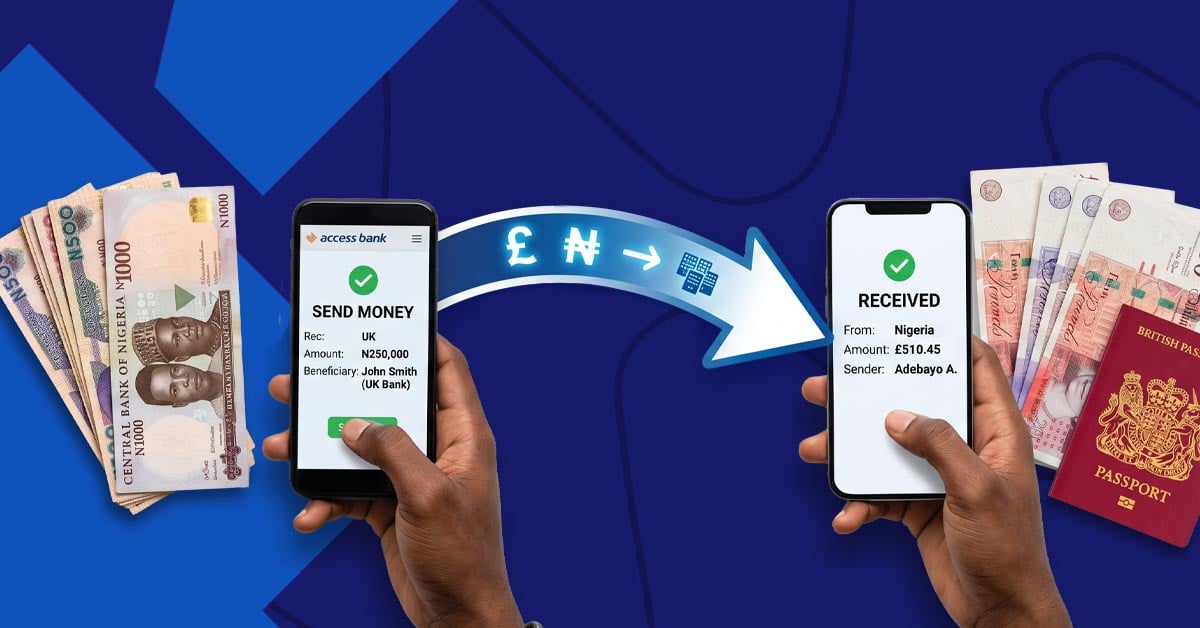
Payments to overseas suppliers from Nigeria travel through one of three main rails in 2026. The traditional rail is a SWIFT transfer from a corporate domiciliary account at a Nigerian bank, routed through Form M for goods or Form A for invisibles such as services, software and royalties. The second is a licensed business multi-currency account from a cross-border payments platform, which gives you a USD, GBP or EUR account at a partner bank abroad from which you pay suppliers like a local sender. The third is a licensed digital BDC or IMTO route for mid-sized recurring payments that do not need the full Form M apparatus.
Each rail suits a different payment profile. SWIFT via the dom account remains the right answer for physical imports where customs clearance depends on a clean Form M and Pre-Arrival Assessment Report (PAAR) trail. Multi-currency business accounts suit recurring software subscriptions, digital marketing spend and smaller service invoices where the per-transaction cost of SWIFT is disproportionate. The BDC or IMTO route sits between these two for mid-sized invoices where speed matters and the paperwork load is lighter. For a wider look at the digital BDC landscape, see our piece on the rise of digital BDCs.
Two regulatory realities shape outbound payments this year. The CBN unified FX window has broadly improved access to official-market rates compared with 2022 and 2023, though pricing still moves with underlying liquidity. The licensed digital BDC network, standing at around 82 operators as of November 2025, has widened the non-bank options for businesses that previously struggled to secure FX from their commercial bank in volume.
What You'll Need
Before you can settle the first invoice, the compliance basics have to be in place.
✓A CAC-registered business (business name or limited company)
✓A Tax Identification Number (TIN) tied to the business
✓BVN of all signatories on the account
✓A corporate domiciliary account at a Nigerian bank, if using the SWIFT route
✓A licensed business multi-currency account, if using the fintech route
✓A proforma invoice from the supplier, denominated in the paying currency
✓Form M application via the Nigeria Single Window for Trade portal, for goods above the CBN threshold
✓Form A application via your bank, for services and invisibles
✓Supplier's full bank details, including SWIFT or BIC code and any intermediary bank
✓A clear understanding of the Incoterms on the contract (FOB, CIF, EXW), so you know which party pays which fee
If you are a new importer, your bank will typically ask for supporting documentation showing the nature of your business and an expected volume of annual imports. Expect KYC to take one to two weeks on initial set-up.
Step-by-Step: Paying an International Supplier
1Classify the payment type
Goods or services. Goods route through Form M. Services and invisibles route through Form A. The paperwork is lighter for Form A, but both end in a SWIFT transfer.
2Vet the supplier
For new suppliers, especially in Asia, ask for business registration documents, customer references and if possible a smaller first order. A perfect-sounding quote from an unverified supplier is a common entry point for trade fraud.
3Open the right account
Corporate dom accounts at tier-1 banks handle Form M and SWIFT in one place and suit importers with a steady pipeline. A licensed business multi-currency account suits service-heavy flows (SaaS, marketing, professional fees) where per-transaction cost matters more than Form M integration.
4Raise the Form M or Form A
Form M goes through the Nigeria Single Window for Trade portal with supporting documents including the proforma invoice, Incoterms and HS codes. Form A goes directly to your bank's import or FX desk. Neither should be raised after the fact; both are prospective applications.
5Fund the transfer
Transfer naira to cover the FX purchase at the current official window rate plus the bank's spread. Your bank sources the FX and credits your dom account, or executes the SWIFT transfer directly.
6Instruct the payment
Provide the beneficiary's full name as per their bank, account number, bank name, SWIFT code and any intermediary bank. Include the invoice or Form M reference in the payment narration so the supplier can reconcile on receipt.
7Track the transfer
Ask for the MT103 reference as soon as the bank processes the instruction. SWIFT settlement is typically two to five business days. If the supplier reports non-receipt beyond day five, trace through the intermediary bank first, not the receiving bank.
8Reconcile and retain records
Match the SWIFT advice, the supplier receipt, the Form M or Form A, and (for goods) the bill of lading and PAAR. Keep the full file for at least six years for CBN and FIRS audit purposes. Nigeria Tax Act 2025 (effective January 2026) sharpened penalties for weak import documentation at the FIRS end.
Cost Breakdown: Where the Money Goes
Outbound fees scale differently depending on the rail. For an illustrative $10,000 payment for an imported consignment:
✓Bank sending fee: $25 to $50
✓Intermediary bank fee: $15 to $25
✓Beneficiary bank fee: around $10 to $20, usually deducted from the supplier end
✓Form M processing fee: approximately 1% of CIF value
✓FX spread at the official window: narrowing in 2026 under the unified regime
✓All-in cost on a $10,000 SWIFT dom account route: roughly 0.5% to 1.5% of invoice value
For a $500 recurring software licence, the same SWIFT route becomes expensive. Fixed fees do not scale down, so the total cost often runs to 10% to 15% of the invoice. A licensed business multi-currency account typically prices the same payment at 1% to 2%, making it the clear choice for small recurring service payments.
For mid-sized recurring payments (say $2,000 to $5,000 to a design studio or marketing agency), licensed digital BDCs and IMTOs can price competitively against both. The important principle is the same: the quoted fee is only part of the cost. The FX spread, meaning the gap between the mid-market rate and the rate your bank or platform offers, is usually where the bigger number sits.
Important
Form M is prospective. Customs will reject import documentation if the Form M post-dates the shipment. Plan the paperwork before the supplier books the freight.
Common Mistakes to Avoid
1. Paying from a personal dom account for business imports. Banks will question the pattern and the transfer may be flagged. Route business imports from a corporate dom account.
2. Raising Form M after goods have shipped. Form M is prospective; Customs will reject import documentation if the Form M post-dates the shipment. Plan the paperwork before the supplier books the freight.
3. Treating a cheap IMTO as a substitute for the Form M flow. Fee saving on the transfer side does not clear customs. For goods, follow the Form M route whatever the fee cost.
4. Not checking the FX spread. A platform or bank quoting a 0.5% fee at a rate 2% off mid-market is a 2.5% platform. Compare the all-in landed cost in naira, not the headline fee.
5. Skipping reconciliation. Assume nothing until the supplier confirms receipt. Keep the MT103, the bank advice and the supplier receipt side by side. Chase at day five if the supplier has not confirmed.
nairaCompare Insight
Expert analysis · Research Team
If you run an import business settling $5,000 to $50,000 invoices against Form M documentation, the corporate dom account at a tier-1 bank is the backbone of the operation. The paperwork integration with Customs justifies the fixed cost at those ticket sizes. Our comparison tool lets you line up the dom account offerings from Nigerian commercial banks alongside licensed multi-currency platforms (including Foren Payout, Wise Business, Grey Business and the newer African payout specialists) so you can price the right rail for each invoice band.
For smaller firms where outbound flows are mostly SaaS, digital marketing and professional service fees under $2,000 a time, a licensed business multi-currency account does most of what the dom account does at a fraction of the cost, and adds a virtual card for the subscription payments that used to go through a founder's personal naira card. Our comparison surfaces fees, settlement times and licence stacks so the choice stays grounded in total naira spent, and time to supplier receipt.
Frequently Asked Questions
What is the difference between Form M and Form A?
Form M is the import declaration for physical goods above the CBN threshold. Form A is the declaration for invisibles, which covers services, software, royalties, dividends and similar. Both are raised before the transfer, through different channels (the Nigeria Single Window for Form M; your bank for Form A).
Can I pay overseas suppliers without a dom account?
Yes, for invisibles and smaller invoices. A licensed business multi-currency account from a cross-border payments platform can originate the payment. For physical imports above the Form M threshold, you still need the Form M flow regardless of the rail.
How long does a SWIFT payment take to reach the supplier?
Typically two to five business days. Most delays sit at the intermediary bank rather than the beneficiary bank. Ask for the MT103 reference to trace.
What is the current CBN FX access policy?
Under the unified FX window, licensed banks and operators source FX from the official market at a rate set by supply and demand within CBN's framework. Access has broadly improved since 2023 but remains sensitive to underlying liquidity. Verify current conditions with your bank.
Are there limits on how much I can send abroad?
There are no absolute annual caps for business outbound payments routed through the official channels, but every payment needs the matching documentation (Form M, Form A, invoice, Incoterms). Your bank will question outbound flows that are not supported by business documentation.
What documents do I need for Form M?
Proforma invoice, HS code classification, Incoterms, insurance details (where applicable), and the regulatory certificates relevant to the product (NAFDAC for regulated consumables, SON for products under conformity assessment, and so on). Your bank's import desk will walk you through the list for your specific product.
Do I need a Letter of Credit to import?
Not always. LCs are common for new supplier relationships or where contract terms require it. For established suppliers, open-account payment after shipment is common. Your supplier's willingness to accept terms is usually the deciding factor.
Price the right rail for each invoice
Compare dom accounts, IMTOs and licensed multi-currency platforms side by side on fee, settlement time and rate.
Compare send-money options →Conclusion
Paying overseas suppliers from Nigeria is a clean workflow when the rail matches the payment. Large physical imports belong on the SWIFT and Form M rail; recurring smaller service invoices belong on a licensed multi-currency account; mid-sized recurring flows have a growing licensed BDC and IMTO option in between. The costly mistakes are nearly always the same: wrong account type, Form M raised too late, an unverified supplier, or a headline fee that hides the FX spread.
If you are setting up or reviewing your payables, price your two or three realistic routes side by side on the all-in landed cost in naira, not the advertised fee. Our comparison tools pull live rates across Nigerian banks and licensed cross-border platforms, so each supplier invoice can route through the cheapest compliant rail without guesswork. Pay on the rail that fits the invoice, not the one that fits last year's habit.
Exchange rates fluctuate. Rates shown are indicative and may differ at time of transaction. Verify terms with your provider before relying on specific figures. This article is for informational purposes only and does not constitute financial advice.
About Author
Noella Lepdung
Noella Lepdung, LL.B, is a strategist and writer specialising in financial services, SEO, and digital content. With a background in brand storytelling and organic growth, she creates research-driven content that makes complex topics accessible, engaging, and useful to readers. Her experience spans financial services, healthcare, and consumer brands, and her portfolio includes work for brands such as nairaCompare, Monieworx, Leadway Group, Budweiser, The Coca-Cola Company, Nivea, and Honeywell Foods.


Other related articles