






















How to Hold USD in Nigeria: Domiciliary vs Multi-Currency Account (2026)
Author Noella Lepdung
Introduction
More Nigerians want to hold dollars without converting to naira the moment the money lands. Two routes make that possible: a bank domiciliary account, and a multi-currency account from a licensed fintech app. This comparison shows how each one works, what each costs, how safe your money is in each, and which suits you. Figures are as published in 2026, so confirm the current terms with the provider before you open anything.
Key Takeaways
- A domiciliary account is a foreign-currency account at a CBN-licensed bank. A multi-currency account is a foreign-currency wallet from a licensed app, usually with real USD, GBP and EUR details.
- Banks suit larger balances, outbound SWIFT transfers and documentary needs like visa applications. Apps suit receiving freelance or remote-work income quickly, with low receiving fees and a virtual card.
- The biggest difference is safety. A bank deposit sits with an NDIC member institution. App balances are safeguarded electronic money, which is not the same as deposit insurance.
- Confirm every fee, minimum balance and limit directly with the provider, because these change often.
Table of Contents
- What is a domiciliary account?
- What is a multi-currency account?
- Domiciliary vs multi-currency: side by side
- Opening and access
- The cost of holding and converting
- Safety and regulation
- Funding, receiving and spending
- Limits you should know
- Decision framework: how to choose
- nairaCompare Insight
- FAQs
- Related Resources
- Conclusion
What is a domiciliary account?
A domiciliary account, often shortened to a dom account, is a foreign-currency account offered by a CBN-licensed Nigerian bank. It lets you hold USD, GBP or EUR without immediate conversion to naira, and receive international transfers into a local account. Most major banks offer one, and you can compare the best banks for a domiciliary account in Nigeria, including GTBank, Access Bank, Zenith Bank, UBA, First Bank, FCMB and Standard Chartered.
There are two broad types. A savings domiciliary account is simpler to open and tends to have lighter requirements. A current domiciliary account is built for frequent transactions and business use, and some banks still ask for two referees. Exchange-rate moves do not change the dollar figure in your account, because you are holding dollars, not naira.
What is a multi-currency account?
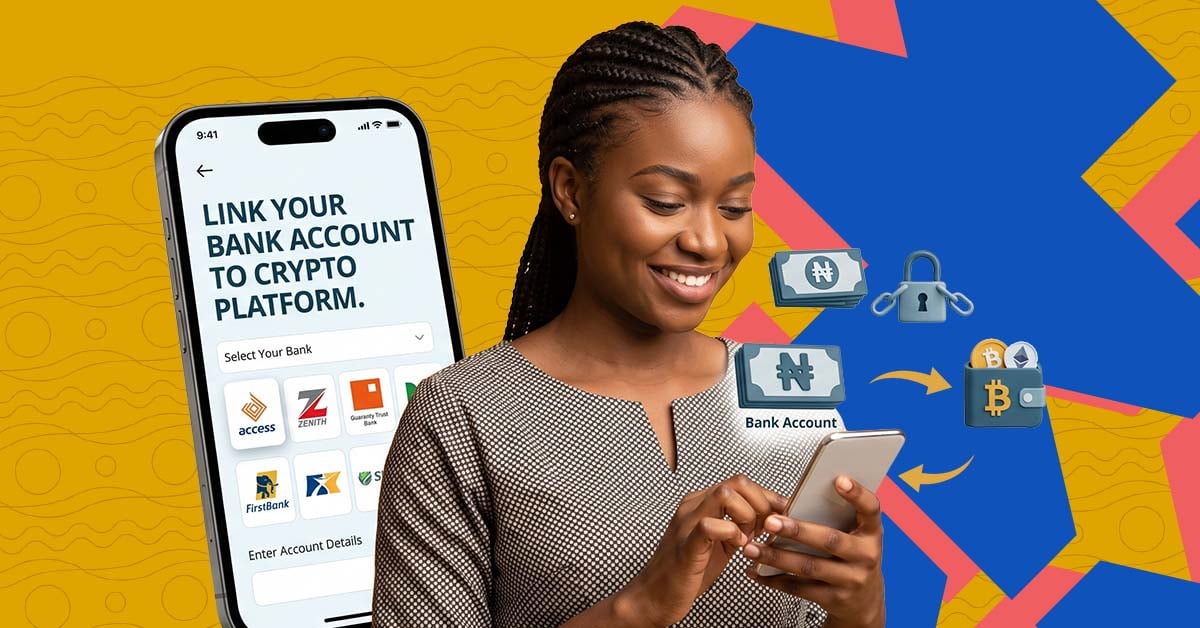
A multi-currency account is a foreign-currency wallet provided by a licensed fintech, accessed through an app. It typically gives you real account details in several currencies, so clients and platforms abroad can pay you directly. Well-known options for Nigerians include Grey, Geegpay (now Raenest), LemFi, Chipper Cash and Cleva, among others.
Foren (formerly Leatherback) also operates in this space as a licensed cross-border provider. Foren is owned by the Zedcrest Group and, following its 2026 rebrand, focuses more on business and cross-border payments than on consumer accounts. It sits alongside corridor peers such as LemFi, Grey and Verto as one licensed option rather than the only answer. nairaCompare has a content arrangement with Foren, which we disclose here in the interest of transparency.
These apps let you receive, hold and convert foreign currency, usually with a virtual card for online spending. They are not banks, and that distinction matters most when we look at safety below.
Domiciliary vs multi-currency: side by side
| Feature | Bank domiciliary account | Multi-currency app account |
|---|---|---|
| Provider type | CBN-licensed bank | Licensed fintech (electronic money) |
| Opening speed | Slower, often a branch step | Fast, usually fully in-app |
| Typical requirements | ID, BVN, passport photos, proof of address, sometimes referees | ID, BVN, selfie, in-app verification |
| Minimum balance | Varies, from around $100 to $1,000 or more on premium tiers | Often none |
| Hold without converting | Yes | Yes |
| Physical dollar card | Available at some banks | Rare; virtual cards are standard |
| Outbound SWIFT wires | Yes | Varies by provider |
| Recognised for visas and embassies | Widely accepted | Less established |
| Safety basis | Deposit at an NDIC member bank | Safeguarded electronic money, not deposit-insured |
Figures above are representative and dated to 2026. Treat them as a starting point, not a quote.
Opening and access
A domiciliary account usually needs a completed opening form, a valid ID, your BVN, passport photographs and proof of address. Many banks prefer that you already hold a naira account with them, which speeds up verification. Current dom accounts can require referees, so if you have none ready, ask whether a savings dom account is available with lighter requirements.
A multi-currency app is built for speed. You download the app, complete identity checks in-app, and often receive usable account details within minutes. For someone who mainly needs to start receiving dollars quickly, this is the clear advantage of the app route.
The cost of holding and converting
Bank charges vary by institution and account type, so read the current tariff. As published in 2026, examples include card issuance of roughly ₦1,000 to ₦1,500, cash-handling charges on foreign-currency withdrawals, and transfer charges that can run to a small percentage of the amount. Many banks charge no monthly maintenance on the dom account itself. On any naira movement linked to the account, the ₦50 stamp duty applies to inbound electronic transfers of ₦10,000 and above, borne by the sender, under the Nigeria Tax Act 2025.
App charges centre on receiving fees and conversion. Monthly fees are often nil, and some providers advertise rates close to the mid-market rate when you convert to naira. The trade-off is in the spread and per-transaction fees, which differ by provider and change often. Compare the all-in cost of receiving, holding and converting for your own usage pattern, not the headline rate alone.
Safety and regulation
This is the most important section, so read it carefully. A domiciliary account is a deposit at a bank licensed and supervised by the Central Bank of Nigeria. Deposit protection through the Nigeria Deposit Insurance Corporation applies to eligible deposits up to the limit for the bank's licence category, per depositor per institution. Whether that protection extends to foreign-currency balances is not something to assume, so confirm the position directly with your bank.
A multi-currency app is not a bank. Your balance is electronic money, which licensed providers are required to safeguard, typically by holding customer funds in separate accounts at partner banks. Safeguarding is a real protection, but it is not deposit insurance, and it is not the same as cover under a scheme such as the UK's FSCS. In plain terms, do not treat an app balance as though it carries NDIC cover, because it does not. Choose a provider that is clearly licensed, name the regulator before you sign up, and keep only working balances where protection is weaker.
Funding, receiving and spending
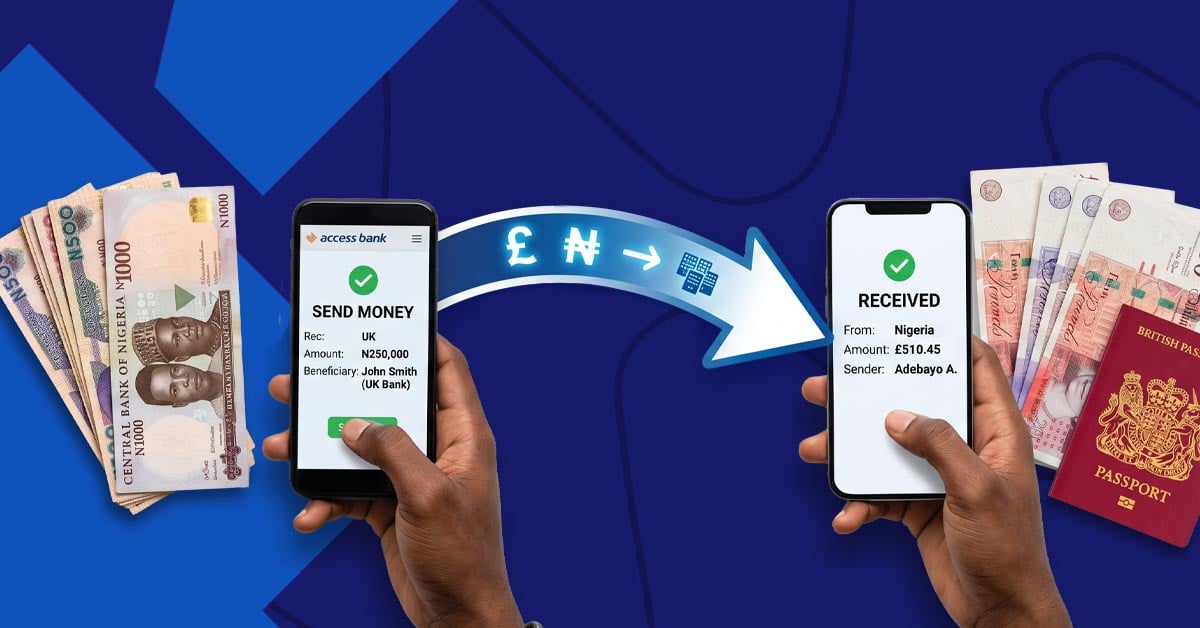
Dom accounts receive international wires by SWIFT and can send outbound wires, which matters for tuition, suppliers and family support abroad. Some banks issue a physical dollar card, and a bank statement is widely accepted for visa and embassy purposes.
Apps shine at receiving. You can collect payments from global platforms and clients into real USD, GBP or EUR details, then convert to naira in-app or spend online with a virtual card. For outbound wires and documentary needs, check each provider carefully, because capability varies.
Limits you should know
Banks apply their own transaction limits, and these can depend on your KYC tier and account type. Cash withdrawal of foreign currency may be capped and can attract a handling charge. For naira cards and naira movements linked to the account, the current cash-related policies and international limits set by each bank apply and change regularly.
Apps apply per-transaction and daily limits, and virtual cards carry their own spending caps. Because these are set by the provider and move often, confirm the current limits in-app rather than relying on an older figure.
Decision framework: how to choose
Choose a bank domiciliary account if you hold larger dollar balances for the medium term, need to send outbound SWIFT wires, want a recognised bank statement for a visa or embassy, or prefer a branch and a physical dollar card.
Choose a multi-currency app if you receive freelance or remote-work income in USD, GBP or EUR, want fast in-app onboarding and low receiving fees, prefer a virtual card and in-app conversion, and keep smaller working balances.
Many people use both. A dom account anchors larger balances and documentary needs, while an app handles day-to-day receiving and online spending.
nairaCompare Insight
For a freelancer or remote worker receiving dollars from clients abroad, a licensed multi-currency app is usually the faster, cheaper place to start, because onboarding takes minutes and receiving fees are low. Keep only the balance you are actively using there, convert what you need to naira, and move larger sums you want to hold for longer into a bank domiciliary account where a deposit relationship and documentary strength matter more.
For someone holding dollars for the medium term, for tuition abroad, for suppliers, or for a visa process, a bank domiciliary account is the stronger backbone. Confirm with the bank whether any deposit protection applies to your foreign-currency balance, keep your naira account active alongside it for stamp duty and card needs, and use an app only as a convenient receiving layer feeding the account.
FAQs
Is a domiciliary account the same as a multi-currency account?
No. A domiciliary account is a deposit account at a CBN-licensed bank. A multi-currency account is a foreign-currency wallet from a licensed fintech. Both let you hold dollars, but the provider type and the safety basis differ.
Can I hold USD in Nigeria without a domiciliary account?
Yes. Licensed multi-currency apps let you receive and hold USD, GBP and EUR without a bank dom account. They suit receiving and online spending, while a bank account suits larger balances and outbound wires.
Is my money insured in a multi-currency app?
App balances are safeguarded electronic money, not deposit-insured. Safeguarding means customer funds are usually held separately at partner banks, but it is not NDIC cover. Confirm how a provider protects funds before you sign up.
Does the exchange rate affect money in my domiciliary account?
No. You are holding the foreign currency itself, so the dollar figure does not change with the rate. Conversion only matters when you move funds to or from naira.
What do I need to open a domiciliary account?
Typically a completed form, a valid ID, your BVN, passport photographs and proof of address. Some banks ask for referees on current dom accounts, and many prefer you already hold a naira account with them.
Which is cheaper?
It depends on your pattern. Apps often win on receiving and conversion for smaller sums, while banks can suit larger balances and outbound wires. Compare the all-in cost for your own usage before deciding.
Related Resources
- 10 Best Banks for Domiciliary Account in Nigeria
- How to Receive USD, GBP or EUR in Nigeria Without a Domiciliary Account
- How to Pay for International Transactions Without a Domiciliary Account
Conclusion
Holding dollars in Nigeria is no longer a single-track decision. A bank domiciliary account gives you a deposit relationship, outbound wires and documentary strength. A licensed multi-currency app gives you speed, low receiving fees and a virtual card for online spending. The right choice depends on how much you hold, how you receive, and how much you value deposit protection over convenience.
Before you commit, compare domiciliary accounts side by side on nairaCompare and check the current fees, minimum balances and limits for each option that fits you. The best setup for many readers is a bank dom account for larger balances paired with an app for everyday receiving, so you get the strengths of both.
Disclaimer: This article is for informational purposes only and is not financial advice. Account features, fees, charges, minimum balances and limits change frequently and vary by provider, account type and KYC tier. Multi-currency app balances are safeguarded electronic money, not deposit-insured, and we make no assertion of NDIC cover on foreign-currency or domiciliary deposits. Confirm current terms directly with the bank or provider before opening an account. Foren (formerly Leatherback) is part of the Zedcrest Group, and nairaCompare has a content arrangement with Foren; it is presented here as one licensed option among peers, on the merits, not as a recommendation.
About Author
Noella Lepdung
Noella Lepdung, LL.B, is a strategist and writer specialising in financial services, SEO, and digital content. With a background in brand storytelling and organic growth, she creates research-driven content that makes complex topics accessible, engaging, and useful to readers. Her experience spans financial services, healthcare, and consumer brands, and her portfolio includes work for brands such as nairaCompare, Monieworx, Leadway Group, Budweiser, The Coca-Cola Company, Nivea, and Honeywell Foods.

