





















How to Get the Best Exchange Rate When Converting Naira to Dollars
Author Eyitemi Efole
Whether you're planning an international trip, paying for an overseas service, shopping online or making a business payment in dollars, one question matters: how do you get the best naira to dollar exchange rate without paying more than necessary?
The answer isn't simply finding the lowest advertised dollar rate. Different banks, Bureau de Change (BDC) operators and financial service providers may offer different rates, fees and transaction conditions.
A small difference in the exchange rate can significantly affect how much you pay, especially when converting large amounts.
In this guide, we'll explain how the naira to dollar exchange rate works, where to buy dollars in Nigeria, what to compare and how to avoid unnecessary charges.
Want to check exchange rates first? Explore nairaCompare's exchange rate tools to review available rates before making your next currency conversion.
What Is the Naira to Dollar Exchange Rate?
The naira to dollar exchange rate tells you how much Nigerian naira (NGN) you need to exchange for one United States dollar (USD).
For example, if a provider sells dollars at ₦1,400 per $1:
- $100 would cost ₦140,000.
- $500 would cost ₦700,000.
- $1,000 would cost ₦1,400,000.
These are illustrative figures, not current market quotes. Your actual cost depends on the exchange rate offered by your provider and any additional fees.
Understanding Buying and Selling Rates
One important detail many people overlook is that the rate for buying dollars may differ from the rate for selling them.
If you're converting naira into dollars, you need the rate at which the provider sells USD.
If you're converting dollars into naira, you need the rate at which the provider buys USD.
The difference between these rates is known as the spread. It is one way currency exchange providers earn revenue.
For example, a provider might buy dollars at ₦1,380 and sell them at ₦1,410.
This means a customer purchasing $1,000 would pay ₦1,410,000, before additional charges.
Always confirm which rate applies to your transaction before making a payment.
What Determines the Dollar Exchange Rate in Nigeria?
The exchange rate between the naira and the US dollar changes in response to several economic and market factors.
1. Demand and Supply of Dollars
When demand for US dollars increases relative to supply, the naira may weaken against the dollar.
Demand can come from businesses importing goods, individuals paying international expenses and companies settling foreign obligations.
2. Inflation and Interest Rates
Inflation influences the purchasing power of the naira, while interest rates can affect investment flows, borrowing and demand for foreign currency.
Monetary policy decisions by the Central Bank of Nigeria (CBN) can also influence exchange rate conditions.
3. Foreign Exchange Inflows
Dollar inflows from crude oil exports, remittances, foreign investments and other sources contribute to foreign exchange liquidity in Nigeria.
Changes in these inflows can affect dollar availability.
4. Market Confidence
Investor sentiment, economic expectations and policy developments can influence demand for naira-denominated assets and foreign currency.
Quick tip: You don't need to predict every market movement to make a better currency exchange decision. Understanding the factors behind the rate and comparing available options can help you avoid unnecessary costs.
Types of Dollar Exchange Rates in Nigeria
Before converting naira to dollars, it's useful to understand the different rates you may encounter.
|
Type |
Description |
|
The official reference rate derived from transactions in the Nigerian Foreign Exchange Market (NFEM). |
|
|
Bank Exchange Rate |
The rate a commercial bank offers for an eligible customer transaction, which may differ from the official reference rate. |
|
The rate offered by a licensed Bureau de Change operator for permitted retail FX transactions. |
|
|
Parallel/Black Market Rate |
An indicative rate quoted through informal or unofficial currency exchange channels. |
|
Remittance Rate |
The rate applied by a money transfer provider when converting an international transfer into the recipient's currency. |
The CBN publishes official NFEM rates, but these do not necessarily represent the exact rate an individual customer will receive from a bank or other provider.
For updated reference information, visit the Central Bank of Nigeria's exchange rate page.
Important: A remittance rate for someone sending dollars into Nigeria should not automatically be treated as the rate available to someone buying dollars with naira. The direction of exchange matters.
Where Can You Convert Naira to Dollars in Nigeria?
There are several ways to exchange naira for dollars. The right choice depends on your purpose, transaction amount, payment method and eligibility.
1. Commercial Banks
Commercial banks offer foreign exchange services for eligible transactions, subject to documentation, availability and applicable regulations.
Depending on the bank and transaction, customers may need to provide identification, invoices, travel documents or other supporting information.
Best for: Customers who prefer regulated banking channels or need foreign currency for documented international payments.
What to check: The applicable exchange rate, fees, required documents and processing time.
2. Licensed Bureau de Change Operators
Licensed BDC operators provide foreign exchange services for permitted retail transactions.
Their rates and service conditions may vary, so it's important to compare the total cost and confirm the operator's current authorisation.
Best for: Eligible customers seeking retail currency exchange services.
What to check: Licensing, the quoted selling rate, settlement method and transaction requirements.
3. Digital Financial Service Providers
Some regulated digital payment and foreign exchange providers support international payments, currency conversions or foreign currency services.
However, not every platform that displays dollar rates allows customers in Nigeria to purchase USD directly.
Best for: Customers who prefer digital transactions and have access to an eligible provider.
What to check: Whether NGN-to-USD conversion is supported, the exchange rate, fees, limits and available payout methods.
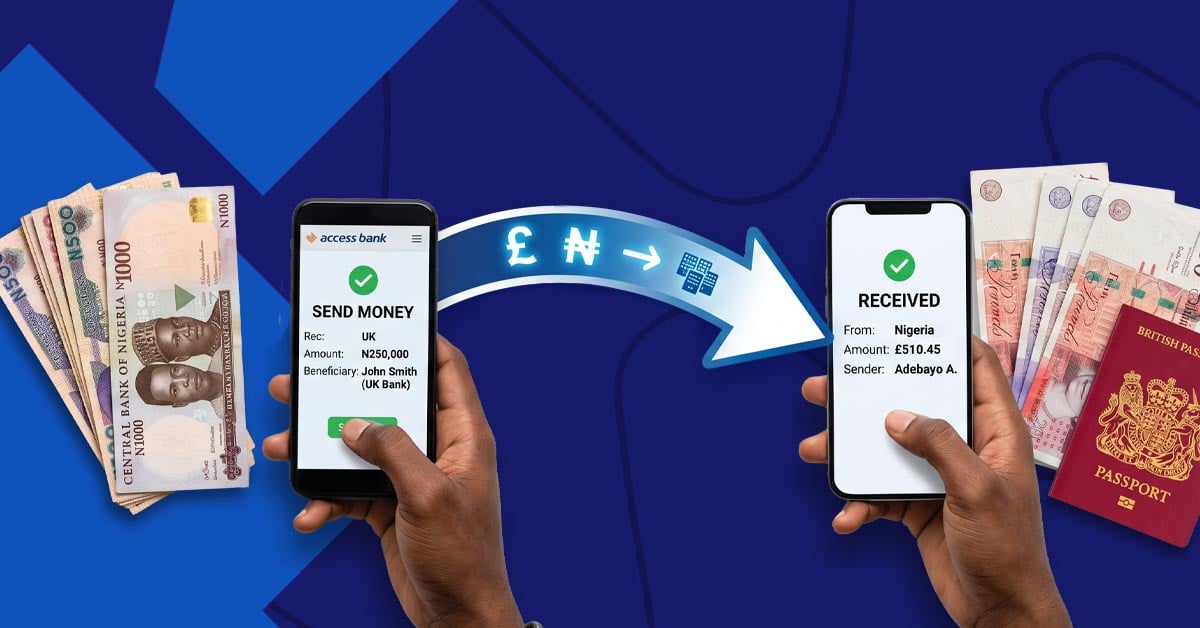
4. International Money Transfer Services
International money transfer services are useful when sending or receiving funds across borders.
For example, a Nigerian abroad sending dollars to a recipient in Nigeria may want to compare how much naira the recipient will receive.
This differs from purchasing dollars with naira inside Nigeria.
If your goal is to receive funds from abroad, compare money transfer providers on nairaCompare.
How to Get the Best Naira to Dollar Exchange Rate
Finding a competitive exchange rate involves more than comparing the first figures you see.
Here are six practical ways to make a better decision.
1. Compare Exchange Rates Before Converting
The exchange rate offered by one provider may differ from another.
Before completing a transaction, compare the available rates for the same currency pair, amount and transaction type.
For example, if you're buying $1,000, compare what different eligible providers would charge in naira, including fees.
You can start by reviewing exchange rate information on nairaCompare.
Remember to verify that your preferred provider supports the exact conversion you want to complete.
2. Calculate the Total Cost, Not Just the Advertised Rate
An attractive exchange rate doesn't always mean a cheaper transaction.
Some providers charge additional fees, including:
- Transfer or processing fees
- Currency conversion commissions
- Card or payment charges
- Receiving bank fees
- Withdrawal or settlement charges
For example, consider two hypothetical providers selling dollars:
| Provider A | Provider B | |
|---|---|---|
| USD selling rate | ₦1,400 | ₦1,410 |
| Cost of $1,000 | ₦1,400,000 | ₦1,410,000 |
| Additional fees | ₦15,000 | ₦0 |
| Total cost | ₦1,415,000 | ₦1,410,000 |
Although Provider A advertises a lower dollar rate, Provider B is ₦5,000 cheaper after fees.
The lesson? Compare the final amount you will pay, not just the headline exchange rate.
3. Monitor Exchange Rate Movements
Exchange rates can change during the day as market conditions shift.
If your transaction is not urgent, monitoring the rate over several days may help you understand recent movements and plan your conversion.
However, waiting does not guarantee a better rate. The naira could strengthen or weaken.
Use nairaCompare's USD to NGN exchange rate page to follow available dollar exchange rate information.
4. Check Transaction Limits and Requirements
Before choosing a provider, confirm:
- The minimum and maximum conversion amount
- Identification and verification requirements
- Available payment methods
- Required supporting documents
- Processing and settlement times
Some providers may not support your transaction amount or purpose.
Checking these details early helps avoid delays and unexpected costs.
5. Consider the Timing of Your Transaction
If you're buying dollars for school fees, travel, business payments or overseas subscriptions, planning ahead can give you more time to compare options.
Avoid making unnecessary last-minute exchanges simply because a payment deadline is approaching.
For recurring international expenses, you may also consider planning your currency needs in advance rather than waiting until the payment is due.
6. Use Regulated and Verifiable Providers
A favourable exchange rate should never come at the expense of your funds' security.
Before transferring money:
- Verify the provider's relevant licence or regulatory authorisation.
- Confirm the receiving account details.
- Review the provider's terms and applicable fees.
- Avoid arrangements that require payments to unrelated personal accounts.
- Obtain transaction confirmation and retain your records.
Always confirm that the service is permitted for your specific type of transaction.
How Much Naira Do You Need to Buy $100, $500 or $1,000?
The amount you need depends on the current USD selling rate and any additional charges.
The basic calculation is:
Naira required = Dollar amount × Provider's USD selling rate + Fees
For illustration, here's how different exchange rates affect the cost of buying dollars.
| Dollar Amount | At ₦1,350/$ | At ₦1,400/$ | At ₦1,450/$ |
|---|---|---|---|
| $100 | ₦135,000 | ₦140,000 | ₦145,000 |
| $500 | ₦675,000 | ₦700,000 | ₦725,000 |
| $1,000 | ₦1,350,000 | ₦1,400,000 | ₦1,450,000 |
| $5,000 | ₦6,750,000 | ₦7,000,000 | ₦7,250,000 |
Note: These are hypothetical rates used for comparison, not live exchange rates. Figures exclude additional fees.
A difference of just ₦50 per dollar translates to ₦50,000 on a $1,000 conversion.
That's why comparing rates matters, especially for larger transactions.
Want to estimate a conversion using the latest available data?
Use nairaCompare's Currency Converter.
Common Mistakes to Avoid When Buying Dollars
Even experienced currency users can make costly mistakes.
Confusing Buying and Selling Rates
Always check whether the displayed quote applies to buying dollars or selling dollars.
The distinction can significantly affect the amount you pay.
Ignoring Additional Fees
Some providers offer competitive exchange rates but charge processing or transaction fees.
Ask for the complete cost before committing.
Relying on Old Exchange Rates
A rate you saw yesterday might no longer be available today.
Check the latest quote and its timestamp before making a transaction.
Choosing a Provider Based Only on Price
A slightly cheaper rate may not be worth significant settlement delays, uncertain regulatory status or poor customer support.
Consider reliability and convenience alongside cost.
Using Unverified Currency Exchange Channels
Informal arrangements can expose you to fraud, counterfeit currency, payment disputes or non-compliance with applicable regulations.
Use authorised channels and retain proof of your transaction.
How nairaCompare Helps You Make Better Exchange Rate Decisions
Comparing currency rates manually across several sources can be time-consuming.
nairaCompare brings together exchange rate information and financial comparison tools to help Nigerians make more informed decisions.
Here's how you can use the platform.
Step 1: Check available rates
Visit nairaCompare Exchange Rates to review current available exchange rate information.
Step 2: Estimate your conversion
Use the Currency Converter to calculate an indicative value for your chosen amount and currency pair.
Step 3: Compare transfer options where relevant
If you're sending dollars or another supported currency to Nigeria, use Compare Money Transfer to review available providers and their estimated payout amounts.
Step 4: Confirm your transaction details
Before proceeding with any provider, verify the transaction direction, final quoted rate, applicable fees and eligibility requirements.
nairaCompare helps you compare and research available options. Actual exchange transactions, rates and settlement terms depend on the provider you choose.
Frequently Asked Questions
What is the best exchange rate for naira to dollars today?
The best available rate depends on whether you're buying or selling dollars, the transaction amount, the provider and any applicable fees. Compare available quotes and the total cost before choosing.
Where can I buy dollars in Nigeria?
You may be able to purchase dollars through authorised commercial banks, licensed BDC operators or eligible regulated financial service providers, depending on your transaction purpose and applicable requirements.
Is the CBN rate the same as the bank exchange rate?
Not necessarily. The CBN publishes the official NFEM reference rate, while banks may apply their own customer pricing based on applicable rules, transaction conditions and fees.
How much is $100 in naira today?
The value changes with the exchange rate. Multiply $100 by the applicable USD-to-NGN rate to calculate an indicative naira equivalent. Check the latest rate using nairaCompare's USD to NGN converter.
If you're buying $100 with naira, confirm the provider's USD selling rate rather than assuming the dollar-to-naira conversion estimate represents your purchase cost.
Can I buy dollars online in Nigeria?
Some regulated financial service providers offer eligible foreign currency transactions digitally. Availability depends on the provider, customer eligibility, transaction type and applicable regulations.
Why are bank and BDC dollar rates different?
Banks and BDCs can have different operating costs, sources of liquidity, customer services and pricing structures. These factors may affect the rates available to customers.
How can I avoid hidden charges when converting naira to dollars?
Request the full cost of your transaction, including the exchange rate, fees, commissions and any additional payment or receiving charges. Compare the final amount rather than relying on the advertised rate alone.
Final Thoughts: Compare Before You Convert
Getting a competitive exchange rate when converting naira to dollars is not about guessing when the market will move.
It's about knowing the rate that applies to your transaction, comparing available options and understanding the complete cost before you pay.
Whether you're preparing for an international trip, paying an overseas invoice or managing dollar-denominated expenses, a little research can make a meaningful difference.
Don't just check the dollar rate. Compare what your money will actually get you.
Compare Exchange Rates on nairaCompare
Exchange rates, provider availability and applicable regulations may change. Always verify current rates, eligibility requirements and transaction conditions before making a financial decision.
About Author

Eyitemi Efole
Eyitemi Efole is exploring the marketing field, with a particular interest in brand management, strategy, and operations. She is keen on understanding how brands build trust and connect meaningfully with their audience.


Other related articles


