























Best Multi-Currency / Dollar Accounts for Nigerians (2026)
Author Noella Lepdung
Introduction
With the naira under continued pressure and 2026's inflation still biting, more Nigerians are splitting a share of their income into dollars, pounds or euros to protect purchasing power. A multi-currency or dollar account lets you hold foreign currency without paying parallel-market premiums every time you want to access FX.
This showcase walks through the options Nigerians are actually using in 2026, who each one suits, and what to check before opening. For yield-focused readers, our ranking of best dollar savings accounts in Nigeria sits alongside this piece.
Why This Showcase Matters
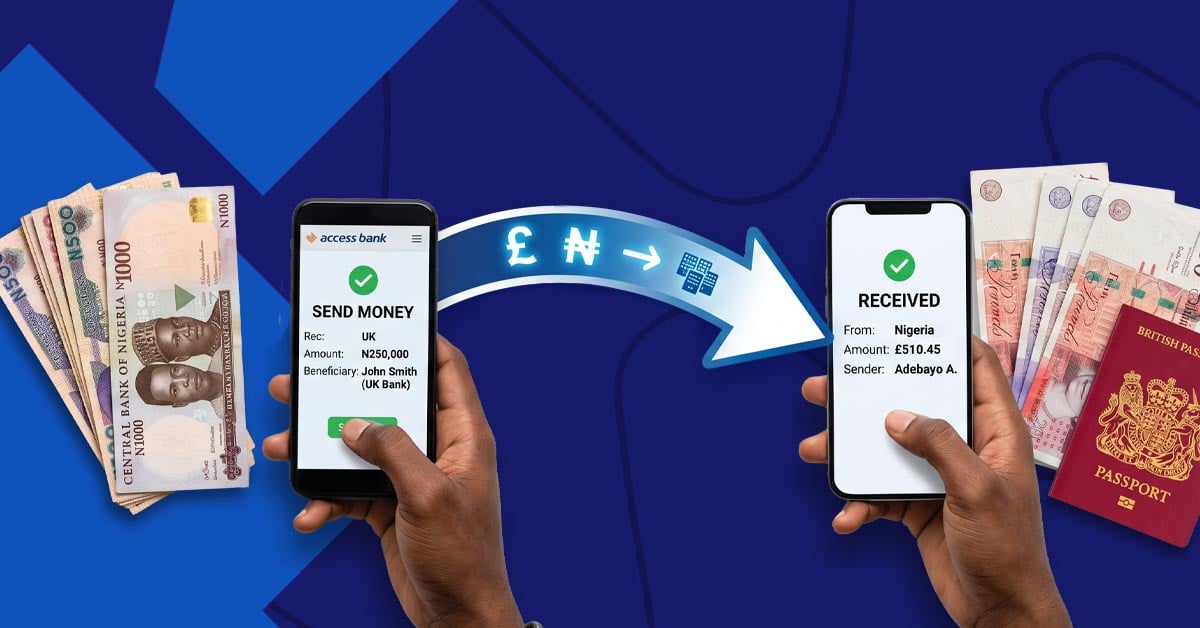
The case for holding a share of savings in USD, GBP or EUR has strengthened each of the past three years. The naira's exchange rate, 10% withholding tax on NGN deposit interest, and inflation that eats real returns combine to make foreign-currency holdings a practical hedge rather than a luxury. The CBN's unified FX window and the March 2026 remittance circular (effective May 2026) requiring IMTOs to use real-time Bloomberg BMatch pricing have narrowed the gap between official and street rates for inbound flows, which in turn makes it cheaper to fund a foreign-currency account legitimately.
What has also changed is the shape of the market. Traditional dom accounts at Nigerian commercial banks now sit alongside virtual multi-currency accounts issued by licensed fintechs with partner banks abroad. Both are legal routes for Nigerian residents to hold USD. They work differently, cost differently, and serve different use cases. Choosing the right one depends less on which app looks cleanest and more on how you actually plan to use the account.
What Qualifies as a Multi-Currency or Dollar Account
For this showcase we group accounts into two categories.
The first is the traditional domiciliary account, held in your name at a licensed Nigerian commercial bank, denominated in USD, GBP or EUR. Funds sit onshore in Nigeria, accessed through the bank's branches, debit card (where offered) and online banking.
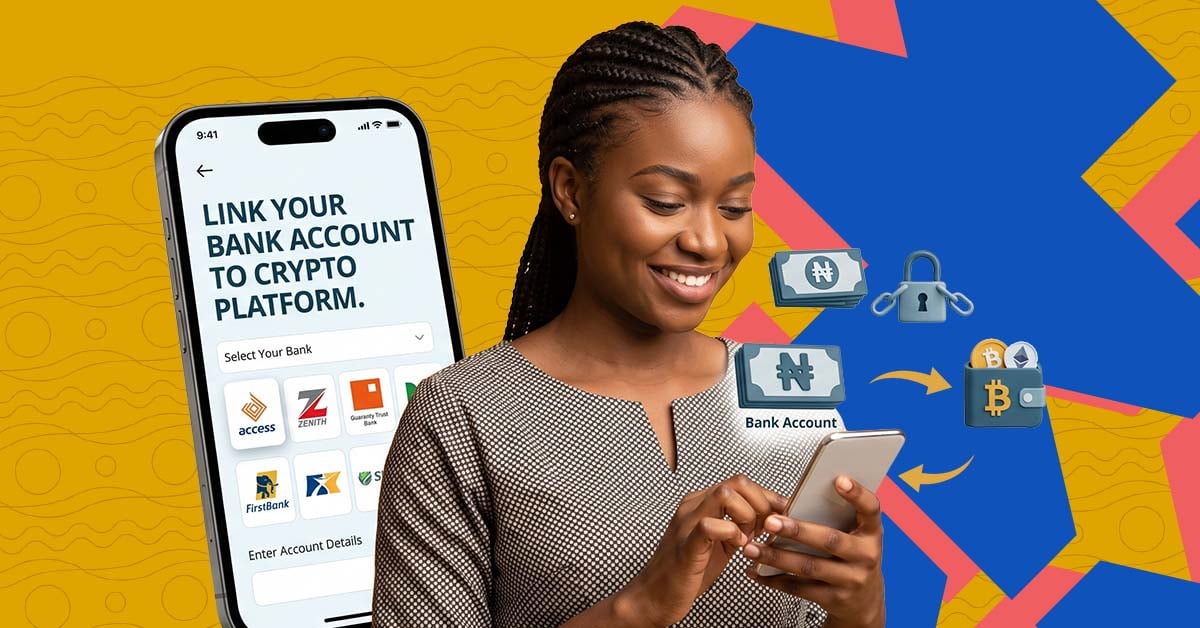
The second is the virtual multi-currency account, held in your name at a partner bank in the UK or US, accessed through a licensed fintech's app. Funds sit offshore with the partner bank. You get real routing numbers (US ACH) or sort codes (UK), spend via virtual or physical cards, and convert in-app. Our complete guide to virtual USD cards in Nigeria covers the card side in depth.
Both are legitimate and legal for Nigerian residents. Neither is better in absolute terms; they are different instruments that fit different needs.
Our Selection Approach
We include accounts that are available to Nigerian residents, hold funds in a licensed and insured bank environment, support at least USD and preferably GBP and EUR, and publish clear fees. Rates and fees change often; where current figures matter, check the provider's app or website.
Available Options
GTBank Domiciliary Account
Available From: Guaranty Trust Bank
✓Currency support: USD, GBP, EUR
✓Account type: Traditional domiciliary (branch-based)
✓Minimum opening: Check current terms in-app or at a branch
✓Access: Debit card (where available), branch, online banking
✓Regulatory: CBN-licensed commercial bank; NDIC insured within the applicable limit
A tier-1 commercial bank dom account with wide branch network. Suits Nigerians receiving larger infrequent foreign-currency inflows, maintaining a stable USD position, or routing import payments. Full Form M, Form A and SWIFT support in one place.
Access Bank Domiciliary Account
Available From: Access Bank
✓Currency support: USD, GBP, EUR
✓Account type: Traditional domiciliary
✓Minimum opening: Check current terms in-app or at a branch
✓Access: Debit card (where available), branch, online banking
✓Regulatory: CBN-licensed commercial bank; NDIC insured within the applicable limit
Strong SME and business-import footprint, a familiar choice for trading businesses that need the dom account alongside a corporate current account.
Zenith Bank Domiciliary Account
Available From: Zenith Bank
✓Currency support: USD, GBP, EUR
✓Account type: Traditional domiciliary
✓Minimum opening: Check current terms in-app or at a branch
✓Access: Branch, online banking
✓Regulatory: CBN-licensed commercial bank; NDIC insured within the applicable limit
Long-standing dom account provider with wide corporate reach. Used by salaried professionals receiving foreign allowances and by families managing diaspora remittances with a long-term holding plan.
First Bank Domiciliary Account
Available From: First Bank of Nigeria
✓Currency support: USD, GBP, EUR
✓Account type: Traditional domiciliary
✓Minimum opening: Check current terms in-app or at a branch
✓Access: Branch, online banking
✓Regulatory: CBN-licensed commercial bank; NDIC insured within the applicable limit
Historic incumbent with national reach. Suits conservative savers who value branch familiarity.
Grey
Available From: Grey Finance Inc.
✓Currency support: USD, GBP, EUR
✓Account type: Virtual multi-currency (app-based)
✓Minimum opening: Check current terms in-app
✓Access: App, virtual cards
✓Regulatory: Licensed in its operating jurisdictions; funds held at partner banks
Popular with freelancers and remote workers receiving foreign salary. Fast KYC, in-app conversion, virtual card for online spending.
Geegpay
Available From: Geegpay
✓Currency support: USD, GBP, EUR
✓Account type: Virtual multi-currency (app-based)
✓Minimum opening: Check current terms in-app
✓Access: App, virtual cards
✓Regulatory: Licensed in its operating jurisdictions; funds held at partner banks
Widely used by Nigerian freelancers for ACH and SEPA inbound. Similar feature set to Grey; many users hold both.
Raenest
Available From: Raenest
✓Currency support: USD, GBP, EUR
✓Account type: Virtual multi-currency (app-based)
✓Minimum opening: Check current terms in-app
✓Access: App, virtual cards
✓Regulatory: Licensed in its operating jurisdictions; funds held at partner banks
Positioned toward African creators, freelancers and SMEs. Part of the newer generation of cross-border fintechs serving the continent.
Foren Global Accounts
Available From: Foren (Zedcrest Group)
✓Currency support: USD, GBP, EUR, CAD
✓Account type: Virtual multi-currency; personal, business and platform tiers
✓Minimum opening: Check current terms in-app
✓Access: App, virtual cards, API (platform tier)
✓Regulatory: FCA EMI (UK), FINTRAC (Canada), CBN IMTO and PSSP (Nigeria), Bank of Ghana IMTO
Rebranded from Leatherback in October 2026. Offers tiered account structures (personal, business and platform) for users graduating from individual to business flows, with first-party licences across its operating corridors.
Payoneer
Available From: Payoneer
✓Currency support: USD, GBP, EUR and more
✓Account type: Virtual multi-currency (global)
✓Minimum opening: Check current terms in-app
✓Access: App, Payoneer card
✓Regulatory: Licensed across multiple jurisdictions globally
Long-established global payments platform. Widely accepted by marketplaces and agencies as a payout destination, which removes the need to ask a new client to set up a corridor they do not already support.
Wise Account
Available From: Wise Payments Limited
✓Currency support: 40+ currencies
✓Account type: Virtual multi-currency
✓Minimum opening: Check current terms in-app
✓Access: App, Wise debit card (availability for Nigerian residents varies)
✓Regulatory: FCA-authorised in the UK; licensed globally
Mid-market rate plus a published fee is the Wise positioning. Nigerian resident access has specific nuances, so confirm current availability before building a flow that depends on it.
Decision Framework: How to Choose
Real-World Scenarios
Scenario 1: Remote software engineer
Receives $4,000 a month from a US employer. A virtual multi-currency account wins on fees, settlement speed, and card access. Opening a dom account too is optional; many engineers do not bother.
Scenario 2: Import business
Pays Guangzhou suppliers $15,000 to $30,000 per shipment, receives export income $5,000 at a time. A corporate dom account anchors the Form M side; a virtual multi-currency account handles the export receipts at a better rate. The combined set-up usually beats either rail used alone.
Scenario 3: Long-term USD saver
Holds $8,000 as a hedge against naira weakness. A tier-1 dom account offers branch familiarity and NDIC coverage within the limit. A virtual multi-currency account may add a card for spending but typically offers limited interest on balances; verify yield before relying on it.
nairaCompare Insight
Expert analysis · Research Team
If you are a Lagos salary earner looking to hold $5,000 to $20,000 as a naira hedge, start from what matters to you: branch access and NDIC protection point to a tier-1 dom account; card spend and app convenience point to a virtual multi-currency account. Our comparison surfaces both groups side by side on currencies supported, licence, access channels, and typical fees, so the decision rests on your use case rather than on whichever app a friend mentioned.
For self-employed professionals and small business owners, the combined route usually makes sense. Keep working USD in a virtual multi-currency account that pays a card and handles inbound client fees cleanly, and keep longer-term reserves in a traditional dom account where the regulatory shape is familiar. Our comparison tool shows where each option sits on fee, settlement speed, and licence, which is what the choice actually comes down to.
Frequently Asked Questions
Is it legal to hold USD in Nigeria?
Yes. Holding USD in a licensed Nigerian domiciliary account or a licensed multi-currency platform is legal. What is regulated is how you convert and move those funds, especially in volume. Follow CBN guidance, and keep documentation of the source.
What is the difference between a dom account and a virtual multi-currency account?
A dom account is a Nigerian bank account held in a foreign currency, directly under your name at a NG commercial bank. A virtual multi-currency account is held under your name at a partner bank abroad, accessed through a licensed fintech's app. Both are legitimate and serve different use cases.
Which Nigerian banks offer dom accounts?
All tier-1 commercial banks offer dom accounts, including GTBank, Access, Zenith, First Bank, UBA and Stanbic IBTC. Tier-2 commercial banks also offer them. Opening requirements vary by bank.
Can I earn interest on a dom account?
Yes, though rates are typically modest compared with foreign-currency money market yields. Confirm the current rate with your bank before relying on it as a yield play.
How is interest taxed on a dom account?
Interest on USD deposits is subject to the standard 10% withholding tax deducted at source, the same as NGN deposit interest.
Can I withdraw USD cash from a dom account?
Cash withdrawals are subject to CBN rules and the bank's own operational limits. Many Nigerians use a dom account for electronic FX inflows and outflows rather than cash. Check with your bank for current cash withdrawal practice.
Are virtual multi-currency accounts NDIC-insured?
No. NDIC insures deposits at Nigerian banks. Virtual multi-currency accounts hold funds at partner banks abroad, which carry the depositor protection scheme of the bank's home jurisdiction (for example, FSCS in the UK, FDIC in the US) within the applicable limit. Confirm the exact structure with the platform.
Find the right place to hold your dollars
Compare dom accounts and licensed multi-currency platforms side by side on fees, settlement speed and licence stack.
Compare dollar accounts →Conclusion
Multi-currency and dollar accounts are no longer a specialist tool for Nigerian importers or diaspora families. In 2026 they are a mainstream way for professionals, freelancers and savers to hold a share of their income outside the naira without crossing legal or regulatory lines. The right choice depends on how you plan to receive, hold, convert and spend the funds, and that answer is often a combination of a traditional dom account and a licensed multi-currency platform rather than a single pick.
If you are setting up a new foreign-currency position, start by pricing two or three realistic options side by side on fees, rate, settlement speed and licence. Our comparison tool pulls these details across Nigerian banks and licensed cross-border platforms, so the decision rests on the numbers that matter to your situation rather than on a provider's own marketing. Hold the account that fits how you actually use USD, not the one your friend uses.
Exchange rates fluctuate. Rates shown are indicative and may differ at time of transaction. Verify terms with your provider before relying on specific figures. This article is for informational purposes only and does not constitute financial advice.
About Author
Noella Lepdung
Noella Lepdung, LL.B, is a strategist and writer specialising in financial services, SEO, and digital content. With a background in brand storytelling and organic growth, she creates research-driven content that makes complex topics accessible, engaging, and useful to readers. Her experience spans financial services, healthcare, and consumer brands, and her portfolio includes work for brands such as nairaCompare, Monieworx, Leadway Group, Budweiser, The Coca-Cola Company, Nivea, and Honeywell Foods.

