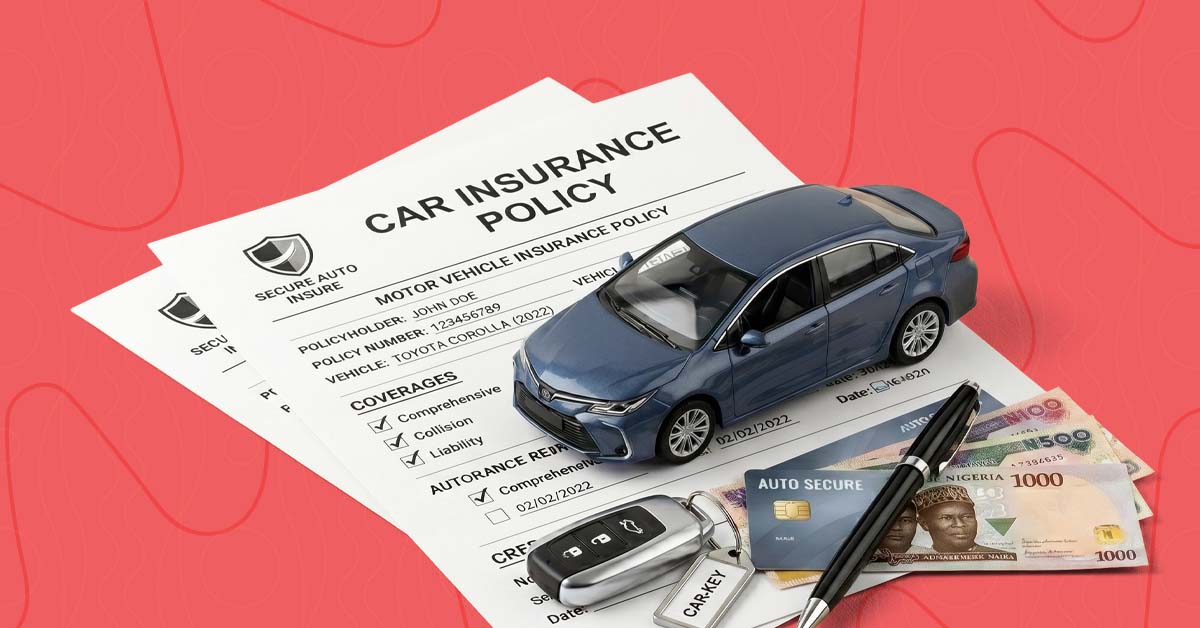
If you want to know whether a car insurance certificate is genuine, there is one reliable test: check whether the policy appears on the Nigerian Insurance Industry Database (NIID). Every authentic insurance policy in Nigeria is uploaded to the NIID by the insurer, so a certificate that is not on the database is almost always fake, however official it looks. This guide explains what the NIID is, how it works, and how to recognise a fake motor insurance certificate before it costs you money.
Table of contents
Quick definition
The Nigerian Insurance Industry Database (NIID) is the central register of all compulsory insurance policies in Nigeria. It is run by the Nigerian Insurers Association (NIA), and it exists to make fake insurance certificates easy to detect.
01 · The NIID
What the NIID is
The NIID went live in 2011, starting with motor insurance, and it is now the reference point that law enforcement uses to confirm whether a vehicle is genuinely insured. The Nigeria Police Force, the Federal Road Safety Corps and state Vehicle Inspection Officers can all check a certificate against the database. For ordinary motorists, it means you no longer have to take a certificate on trust: you can confirm it yourself.
This matters because fake motor insurance is widespread in Nigeria. A fake certificate harms more people than a faulty product, because if you cause an accident while carrying worthless cover, the third party you injured goes uncompensated and you pay the costs personally. Our guide on common car insurance mistakes to avoid in Nigeria covers the fake-certificate trap among the errors that cost drivers most.
02 · How it works
How the NIID works
When you buy a genuine policy from a licensed insurer, the insurer uploads your policy details to the NIID: your vehicle, the policy type, and the cover dates. That record is what makes your certificate verifiable. A policy sold off the books by a tout or an unlicensed agent is never uploaded, which is exactly why it fails verification.
You can check any motor policy yourself in under two minutes, using the plate number or chassis number, through the official askniid.org portal or the NIID USSD code. Because the check is free and quick, there is no good reason to drive on an unverified certificate.
The NIID has since expanded beyond motor cover. A marine module, for example, is linked to the Nigeria Customs Service so that genuine marine insurance certificates can be confirmed when goods are imported. For a private motorist, though, the motor module is the part that matters.
03 · Spotting a fake
How to spot a fake car insurance certificate
Verification on the NIID is the definitive test, but several warning signs should put you on guard before you even check:
The price is too good to be true. Genuine third-party motor insurance is sold at a regulated premium. A certificate offered for a few hundred or a couple of thousand naira, far below the real price, is almost certainly fake.
It was sold outside a licensed insurer. Certificates bought at licensing offices, from roadside agents, or from anyone who is not a NAICOM-licensed insurer or a licensed broker carry a high risk of being fake.
The insurer cannot be found on the NAICOM register. Every genuine insurer is licensed by the National Insurance Commission. If the company named on the certificate is not on the NAICOM register at naicom.gov.ng, treat the document as fake.
The details do not match your vehicle. A certificate with the wrong plate number, chassis number or cover dates is either an error or a forgery, and either way it will not protect you.
It is not on the NIID. This is the decisive check. If verification returns a result that the policy is not available on the database, the certificate is not genuine, regardless of how it looks.
04 · Myth vs fact
Common misconceptions about certificates
Myth
"It looks official, so it must be real."
Fact
Forged certificates can look convincing, with logos and policy numbers. Appearance proves nothing; only the NIID record does.
Myth
"The police accepted it, so it must be genuine."
Fact
Passing a checkpoint once does not mean your cover is real. Enforcement increasingly relies on NIID checks, and a fake can be caught at any stop.
Myth
"Any insurance means I am fully covered."
Fact
Even a genuine third-party certificate only covers damage you cause to others, not your own vehicle. The difference between third-party and comprehensive cover matters as much as confirming the policy is real.
05 · What to check
What to check before you trust a certificate
Before you rely on any motor insurance certificate, confirm three things: that the insurer is licensed by NAICOM, that the vehicle and cover details on the certificate are correct, and that the policy appears on the NIID. If all three hold, your cover is genuine. If any fails, stop relying on the certificate and arrange proper cover from a licensed insurer; our ranking of the best car insurance policies in Nigeria is a sensible place to start.
06 · Recap
Quick recap
1The NIID is Nigeria's central database of genuine insurance policies, run by the NIA.
2A real policy is uploaded by the insurer; a policy not on the NIID is almost certainly fake.
3Warning signs include a low price, sale outside a licensed insurer, and an insurer missing from the NAICOM register.
NIID stands for the Nigerian Insurance Industry Database. It is the central register of compulsory insurance policies in Nigeria, operated by the Nigerian Insurers Association.
How do I know if my car insurance is real?
Check whether your policy appears on the NIID using your plate or chassis number. A genuine policy is uploaded by your insurer; if it is not on the database, treat it as fake.
Why is fake car insurance such a problem in Nigeria?
Fake certificates are sold cheaply and look convincing, so many drivers carry them without knowing. The driver is left personally liable after an accident, and injured third parties go uncompensated.
Is third-party insurance on the NIID enough?
A genuine third-party policy is valid and legal, but it only covers damage you cause to others, not your own vehicle. Whether that is enough depends on your vehicle and circumstances.
The NIID turns insurance from something you take on trust into something you can confirm. Learn to read the warning signs of a fake certificate, always check the insurer on the NAICOM register, and verify every policy on the NIID. A genuine certificate is the one that survives that check, and it is the only one that will protect you when it counts.
Insurance cover, premiums, limits, exclusions, excesses, eligibility, underwriting and claim outcomes depend on current policy wording and individual circumstances. Compulsory-insurance rules and penalties are set by law and regulation and can change. Confirm the latest terms with a NAICOM-licensed insurer or authorised provider before buying or acting. This article provides general information and is not personal financial, legal or insurance advice.
Noella Lepdung, LL.B, is a strategist and writer specialising in financial services, SEO, and digital content. With a background in brand storytelling and organic growth, she creates research-driven content that makes complex topics accessible, engaging, and useful to readers. Her experience spans financial services, healthcare, and consumer brands, and her portfolio includes work for brands such as nairaCompare, Monieworx, Leadway Group, Budweiser, The Coca-Cola Company, Nivea, and Honeywell Foods.