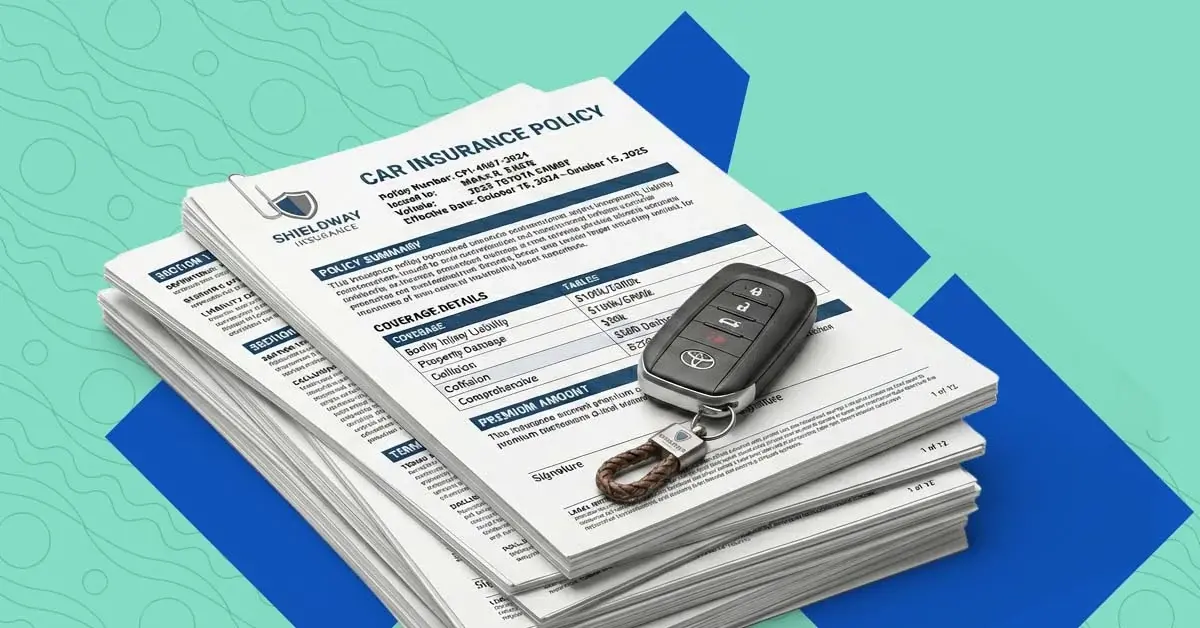
Comprehensive car insurance is the broadest motor cover available in Nigeria. Unlike third-party insurance, which only pays for harm you cause to others, comprehensive also pays for damage to your own vehicle, from accidents, theft, fire and more. It costs more, typically from around 5% of your car's value a year, because it covers far more. This guide explains what comprehensive cover includes, what it usually excludes, and how the premium is worked out, so you can judge whether it is worth it for your vehicle.
Table of contents
Quick definition
Comprehensive car insurance covers damage to your own vehicle as well as your legal liability to third parties. It is the most complete motor cover available in Nigeria.
01 · What it is
What comprehensive car insurance is
Where third-party insurance only responds when you harm someone else, comprehensive cover protects your own car too. If you cause an accident, your repairs are covered; if your car is stolen or catches fire, you can claim for the loss. It bundles third-party liability and own-vehicle protection into a single policy, which is why it is both broader and more expensive than the legal minimum. For a side-by-side look at the two, see our comparison of third-party and comprehensive car insurance.
02 · Includes
What comprehensive cover includes
A comprehensive policy typically covers:
Accidental damage to your own vehicle, whether or not the accident was your fault.
Third-party liability for injury, death or property damage you cause to others.
Fire damage to your vehicle.
Theft of the vehicle.
Additional benefits that vary by insurer, such as medical expenses up to a set limit, towing after an accident, and cover for loss of personal effects.
The exact benefits, limits and conditions depend on the individual policy wording, so two comprehensive policies at a similar price can differ in what they actually pay for. Always read the schedule rather than assuming all comprehensive cover is identical.
03 · Exclusions
What it typically excludes (and optional add-ons)
No comprehensive policy covers everything. Common exclusions and conditions include wear and tear, mechanical breakdown, driving without a valid licence, and using the vehicle outside its stated purpose, for example using a private car for commercial hire.
Some risks you might expect to be included are instead offered as optional extensions at extra cost. Flood cover, for instance, is commonly added for a small additional percentage of the vehicle's value rather than being automatic. If you live in a flood-prone area, confirm whether flood is included or needs to be added. Check the exclusions and any required add-ons before you buy, because this is where claims are most often disputed.
04 · Cost
How much comprehensive insurance costs
Comprehensive premiums are based on your vehicle's value, not a flat rate. Under NAICOM's rules, the premium must be at least 5% of the sum insured, broadly the car's current market value, after any discounts. As a rough guide, a car valued at ₦5 million would cost in the region of ₦250,000 a year to insure comprehensively, and a ₦10 million vehicle around ₦500,000, before any discounts or add-ons.
Several factors move the figure within and above that floor, including the car's make, model, age and value, optional extensions such as flood cover, and any no-claims discount you have earned. Because value drives the price, keeping your sum insured accurate matters: over-insuring wastes money, and under-insuring can reduce your payout at claim time. Our guide on how to lower your car insurance in Nigeria sets out the levers that genuinely reduce the premium.
05 · Excess
How excess works
The excess is the amount you agree to pay yourself towards a claim before the insurer pays the rest. If your policy carries a ₦50,000 excess and you make a ₦300,000 claim, you pay the first ₦50,000 and the insurer pays ₦250,000. A higher excess usually means a lower premium, and some insurers offer an excess buy-back option that removes it for an extra charge. Know your excess before you need to claim, so the figure does not surprise you.
06 · Worth it
Is comprehensive worth it for your car?
Comprehensive cover makes most sense for newer or higher-value vehicles, where repairing or replacing the car yourself would be severe. For an older car worth very little, the annual premium can approach the value of the car, and basic third-party cover may be the more sensible choice. The honest test is simple: if losing your car to an accident, theft or fire would be a financial blow you could not easily absorb, comprehensive cover is worth considering. Our pillar guide on what to compare in car insurance helps you weigh coverage against cost.
07 · Myth vs fact
Common misconceptions
Myth
"Comprehensive covers absolutely everything."
Fact
Every policy has exclusions, and some risks such as flood may need to be added. Read the schedule.
Myth
"The insurer will pay whatever my car is worth."
Fact
Payouts are based on the sum insured and the policy terms, not simply on what you feel the car is worth. An inaccurate sum insured can reduce your claim.
Myth
"Comprehensive is always the better choice."
Fact
For a low-value car the premium can be disproportionate to the benefit, and third-party may serve you better.
08 · FAQs
Frequently asked questions
How much is comprehensive car insurance in Nigeria?
Comprehensive premiums start at around 5% of your car's value a year under NAICOM's rules, so a ₦5 million car would cost roughly ₦250,000 annually before discounts or add-ons. The exact figure depends on the vehicle and the cover you choose.
What is the difference between comprehensive and third-party insurance?
Third-party only covers damage you cause to others. Comprehensive covers that plus damage to your own vehicle from accidents, theft, fire and similar risks.
Does comprehensive insurance cover flood damage?
Not always automatically. Many insurers offer flood cover as an optional extension for an extra charge, so confirm whether it is included before you buy, especially if you live in a flood-prone area.
Is comprehensive car insurance compulsory in Nigeria?
No. Only third-party motor insurance is compulsory. Comprehensive is optional, though it is often required by a lender when a vehicle is bought on finance.
Comprehensive car insurance costs more than the legal minimum because it protects the thing third-party cover ignores: your own vehicle. Expect to pay from around 5% of your car's value a year, read the schedule for exclusions and add-ons, and check the excess before you commit. For a newer or higher-value car it is usually money well spent; for an older, low-value vehicle, weigh it carefully against third-party cover. When you are ready to compare specific policies, our ranking of the best car insurance policies in Nigeria is a good starting point.
Insurance cover, premiums, limits, exclusions, excesses, eligibility, underwriting and claim outcomes depend on current policy wording and individual circumstances. Premium rates are set within regulatory rules and can change. Confirm the latest terms with a NAICOM-licensed insurer or authorised provider before buying or acting. This article provides general information and is not personal financial, legal or insurance advice.
Noella Lepdung, LL.B, is a strategist and writer specialising in financial services, SEO, and digital content. With a background in brand storytelling and organic growth, she creates research-driven content that makes complex topics accessible, engaging, and useful to readers. Her experience spans financial services, healthcare, and consumer brands, and her portfolio includes work for brands such as nairaCompare, Monieworx, Leadway Group, Budweiser, The Coca-Cola Company, Nivea, and Honeywell Foods.