


.png?width=40&height=40&name=Rectangle%202052%20(2).png)
.png?width=40&height=40&name=Rectangle%202052%20(1).png)




.jpg?width=1200&height=628&name=Your%20Complete%20Guide%20to%20Comparing%20Health%20Insurance%20Plans%20for%20Businesses%20in%20Nigeria%20(2026%20Edition).jpg)
.png?width=1266&height=427&name=blog%20header%20(27).png)
.webp?width=1266&height=427&name=blog%20header%20(38).webp)
%20(1).jpg?width=1200&height=628&name=Complete%20Guide_%20Sending%20Money%20from%20UK%20to%20Nigeria%20(2026)%20(1).jpg)
.webp?width=1200&height=628&name=Health%20Insurance%20Cost%20Report%20(2026).webp)

.png?width=1266&height=427&name=blog%20header%20(19).png)
.png?width=1266&height=427&name=blog%20header%20(30).png)
.png)

Author Noella Lepdung
Introduction
Nigeria ranks among the world's top countries for cryptocurrency adoption, with millions of Nigerians actively trading digital assets daily. From Lagos traders using P2P platforms to diaspora Nigerians sending remittances home, crypto has become essential to our financial landscape. But with dozens of exchanges available—each claiming to offer the best rates, lowest fees, and strongest security—choosing the right one matters more than ever.
This comprehensive guide cuts through the noise and gives you everything you need to make an informed decision. We'll compare centralized exchanges like Binance and Quidax with decentralized platforms, break down the real costs (including hidden fees), show you step-by-step how to get started safely, and explain Nigeria's regulatory landscape so you stay compliant.
Who this is for: First-time crypto buyers wondering how to start, active traders looking for better fees and features, diaspora investors sending money home, and anyone navigating Nigeria's unique crypto landscape shaped by CBN restrictions and P2P workarounds.
Table of Contents
- What is a Crypto Exchange & Why It Matters
- How Crypto Exchanges Work
- Types of Crypto Exchanges: CEX vs DEX vs Hybrid
- Real-Life Scenarios: Nigerians Using Crypto Exchanges
- Cost Breakdown: Fees, Hidden Charges & How to Save
- How to Choose the Right Crypto Exchange
- Step-by-Step: How to Get Started
- Benefits of Using Crypto Exchanges in Nigeria
- Risks & Common Mistakes to Avoid
- Regulatory Framework: CBN, SEC & Consumer Protections
- nairaCompare Insight
- Frequently Asked Questions
- Related Resources
What is a Crypto Exchange & Why It Matters
A crypto exchange is a digital marketplace where you buy, sell, or trade cryptocurrencies like Bitcoin, Ethereum, and thousands of other digital assets. Think of it like the Nigerian Stock Exchange—but instead of trading Dangote or MTN shares, you're buying Bitcoin with Naira, swapping Ethereum for USDT, or converting stablecoins back to cash.
Unlike traditional stock exchanges that operate during business hours (9 AM - 5 PM), crypto exchanges never close. You can trade at 2 AM on a Sunday or during public holidays. This 24/7 availability makes crypto uniquely accessible for Nigerians who work irregular hours or need to respond quickly to market movements.
Why It Matters in Nigeria
Nigeria's relationship with cryptocurrency is unique. We face currency challenges that make crypto particularly valuable:
Currency hedging - As the Naira fluctuates (from ₦750 to ₦1,500 per dollar in recent years), many Nigerians preserve wealth by holding USD-pegged stablecoins like USDT. When the Naira loses value, your USDT maintains its dollar value, effectively protecting your purchasing power.
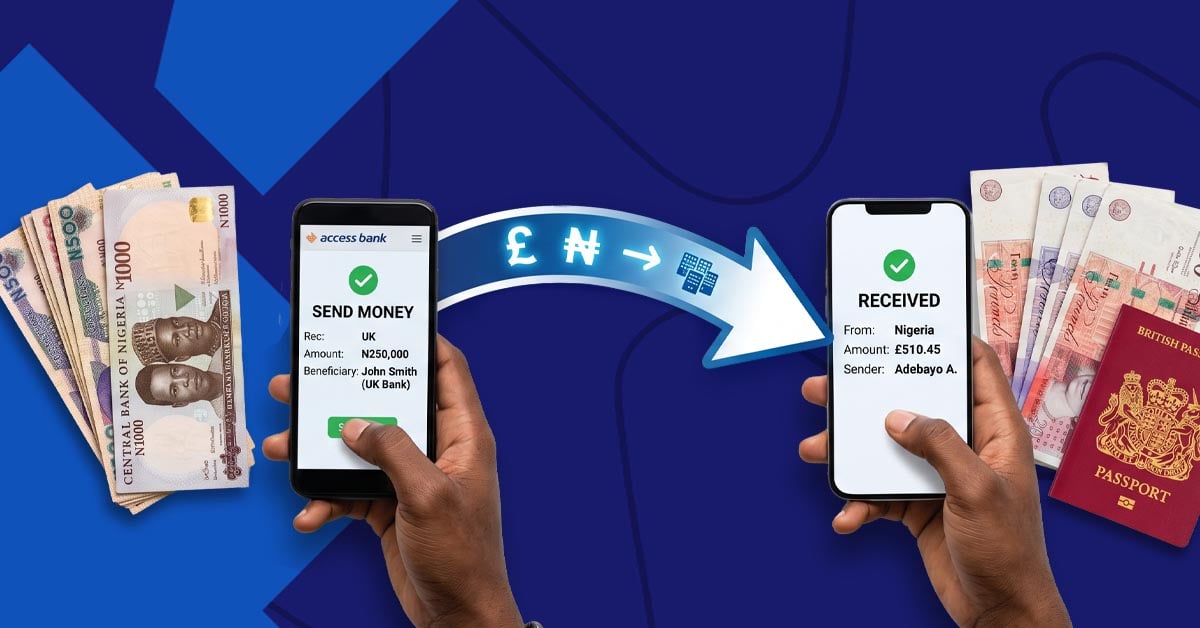
Remittances - Diaspora Nigerians send over $20 billion home annually. Traditional services like Western Union charge 5-10% in fees. Crypto remittances cost 1-3%, saving families millions. A ₦200,000 monthly remittance saves over ₦100,000 annually through crypto.
Investment opportunities - Nigerian stock market returns average 8-12% annually. The global crypto market, despite volatility, offers exposure to assets that have delivered significantly higher returns over the long term. You can invest in Bitcoin, Ethereum, and hundreds of other projects unavailable through traditional Nigerian brokers.
Business payments - Nigerian businesses making international payments face forex restrictions, bank delays (5-10 days), and high fees (3-5%). Crypto payments settle in 30 minutes with 1-2% fees, no forex documentation required.
Banking the unbanked - Millions of Nigerians lack traditional bank accounts. With just a smartphone and internet connection, anyone can access crypto exchanges and participate in global financial markets.
In 2026, crypto exchanges have evolved beyond simple trading platforms. They now offer savings accounts with 8-15% interest, lending services, staking rewards, debit cards, and even educational resources—becoming comprehensive financial hubs for Nigerians.
Compare live exchange rates and discover which platforms offer the best value on our crypto comparison page.

How Crypto Exchanges Work
Core Process in 5 Steps
Step 1: Account Creation & Verification - Sign up with email, complete KYC with government ID and proof of address (10 minutes to 24 hours).
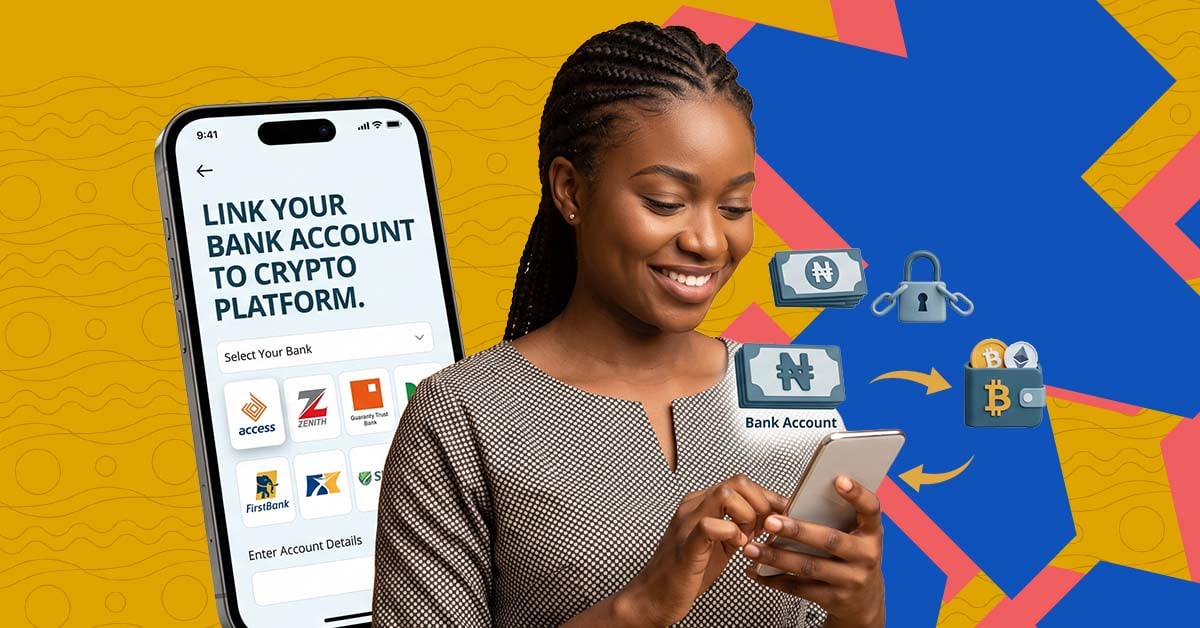
Step 2: Deposit Funds - Nigerian users use P2P trading (bank transfer to sellers), bank cards, or crypto transfers from other wallets.
Step 3: Trading - Execute market orders (instant) or limit orders (set your price and wait).
Step 4: Portfolio Management - Track holdings, set price alerts, or stake crypto for passive income.
Step 5: Withdrawal - Cash out via P2P to Nigerian banks or transfer to personal wallets.
|
Component |
What It Does |
Why It Matters |
|
Order Book |
Matches buyers and sellers |
Determines prices and liquidity |
|
Wallet System |
Stores your crypto |
Security is critical |
|
Trading Engine |
Processes transactions |
Affects execution speed |
|
P2P Platform |
Direct Naira trades |
Essential for Nigerian deposits |
|
Security Layer |
Protects accounts |
2FA, withdrawal whitelist |
Types of Crypto Exchanges: CEX vs DEX vs Hybrid
|
Feature |
Centralized (CEX) |
Decentralized (DEX) |
Hybrid |
|
Control |
Platform holds funds |
You control wallet |
Mixed custody |
|
Ease of Use |
Beginner-friendly |
Requires knowledge |
Moderate |
|
Naira Support |
Yes (P2P) |
No |
Limited |
|
KYC Required |
Yes |
No |
Sometimes |
|
Best For |
Beginners, traders |
Privacy users |
Intermediate |
|
Examples |
Binance, Quidax, Luno |
Uniswap, PancakeSwap |
Trust Wallet |
Choose CEX if: You're new to crypto, want easy Naira deposits, need customer support.
Choose DEX if: You value privacy, already hold crypto, understand wallet management.
Choose Hybrid if: You want convenience with some self-custody features.
Compare platforms on our exchange tool.

Real-Life Scenarios: Nigerians Using Crypto Exchanges
Scenario 1: Chioma's First Bitcoin Purchase
Chioma, a 26-year-old Lagos content creator with ₦50,000 in savings, wanted to start investing in crypto. She researched exchanges on our comparison tool, chose one with strong P2P support, and completed KYC in 30 minutes using her driver's license.
Through P2P, she found a verified seller (98% completion rate, 200+ trades) and transferred ₦50,000 from her GTBank account. Within 15 minutes, USDT appeared in her wallet. She converted it to Bitcoin (₦250 fee) and transferred to a hardware wallet the same day. Total fees: ₦500 (1%).
Six months later, her investment grew 40%. More importantly, she learned the system and now dollar-cost averages ₦10,000 monthly into crypto.
Key lessons: Start small, use P2P for deposits, move funds to personal wallets for security.
Scenario 2: Emeka's Remittance Solution
Emeka, a nurse in Manchester, sends ₦200,000 monthly to his family in Enugu. Traditional remittance services cost him ₦12,000-14,000 per transfer (₦144,000-168,000 annually).
His new system: Buy USDT on a UK exchange, transfer to Binance (₦500 fee), his brother sells via P2P in Nigeria. Total time: 20-45 minutes. Total fees: ₦2,000-3,000 (1-1.5%). Annual savings: ₦132,000—more than a month's remittance.
Bonus: His brother holds surplus funds in USDT during months with extra money, protecting against Naira depreciation until needed.
Key lessons: Stablecoins excel for remittances, P2P offers competitive rates, savings add up to life-changing amounts.
Cost Breakdown: Fees, Hidden Charges & How to Save
Types of Fees
|
Fee Type |
How It Works |
Typical Cost |
|
Trading Fees |
Percentage per trade |
0.1% - 1.5% |
|
P2P Spread |
Markup above market rate |
0.5% - 2% |
|
Crypto Withdrawals |
Network fees |
BTC: ₦2k-8k, USDT (TRC-20): ₦200-1k |
|
Hidden Spreads |
Buy/sell price difference |
Can add 1-3% |
Complete Example: ₦500,000 Bitcoin Purchase
Platform A (Transparent): ₦500k + 0.5% fee = ₦502,500 total
Platform B (Hidden Spread): ₦500k + 2% markup = ₦510,000 total
Your savings: ₦7,500 by choosing transparent pricing
Annual Savings Comparison Table
|
Monthly Trading Volume |
0.5% Fees (Annual) |
1% Fees (Annual) |
Your Annual Savings |
|
₦100,000 |
₦6,000 |
₦12,000 |
₦6,000 |
|
₦500,000 |
₦30,000 |
₦60,000 |
₦30,000 |
|
₦2,000,000 |
₦120,000 |
₦240,000 |
₦120,000 |
|
₦5,000,000 |
₦300,000 |
₦600,000 |
₦300,000 |
Choosing the right exchange can save you thousands—or hundreds of thousands—annually.
How to Save
✅ Use limit orders (maker) instead of market orders (taker) - 50% fee reduction
✅ Increase trading volume for VIP tier discounts
✅ Withdraw USDT on Tron (₦500) vs Ethereum (₦5,000)
✅ Trade during peak hours (9 AM-8 PM) for tighter P2P spreads
✅ Always compare rates on our platform before large trades

How to Choose the Right Crypto Exchange
Critical Questions
- Naira Support?Look for robust P2P marketplace and competitive rates.
- Supported Cryptocurrencies?Beginners need BTC, ETH, USDT. Diverse investors want 50+ coins. Browse options onour coin comparison tool.
- Security Features?Essential: 2FA, withdrawal whitelist, cold storage (80%+ offline), insurance fund, regular audits.
- Total Costs?Calculate monthly trading: ₦200k/month at 0.5% = ₦1k vs 1% = ₦2k (₦12k annual savings). Useour comparison tool.
- Customer Support?Test response time before depositinglarge amounts. Look for Nigerian phone/WhatsApp support.
- User-Friendly?Beginners need clean mobile apps (4.0+ stars), simple interface. Traders need advancedcharts, API access.
- Regulatory Compliance?Check for business registration, KYC/AML compliance, transparentteam.
Quick Comparison: What Different Users Need
|
User Type |
Priority Features |
Recommended Platforms |
Typical Monthly Volume |
|
Complete Beginner |
Simple UI, educational content, low minimum deposits (₦1k-5k), local support |
Quidax, Luno |
₦10,000-50,000 |
|
Diaspora Remittance |
Low fees, fast P2P, stablecoin support, high liquidity |
Binance, KuCoin |
₦100,000-500,000 |
|
Active Trader |
Low fees (0.1-0.2%), advanced tools, VIP tiers, multiple pairs |
Binance, Bybit |
₦2M-20M |
|
Long-term Investor |
Security, staking options, wide coin selection, insurance funds |
Platform with cold storage + hardware wallet |
₦50,000-200,000 |
Compare features and rates on our platform.
Step-by-Step: How to Get Started
Step 1: Research & Compare Exchanges (30-60 minutes)
Don't rush this step. Visit our comprehensive comparison page to see live rates across all major platforms. Check which exchanges offer the cryptocurrencies you want, compare trading fees (they vary from 0.1% to 1.5%), read reviews from other Nigerian users, and verify P2P marketplace liquidity.
Red flags to watch: Platforms with no Nigerian users, exchanges with complaints about frozen funds, unclear fee structures, or poor customer support reviews. Green flags: SEC registration, 2+ years operating in Nigeria, active P2P marketplace with hundreds of daily trades, responsive customer support.
Pro tip: Join Nigerian crypto Telegram and WhatsApp groups to get real experiences from other traders. Ask about withdrawal speeds, customer support quality, and any issues people have faced.
Step 2: Choose Your Exchange (5 minutes)
Match the platform to your experience and goals:
Complete beginners: Quidax (Nigerian-built, excellent local support) or Luno (simple interface, strong security, perfect for first-timers). Both offer educational resources and easy Naira onramps.
Experienced traders: Binance (lowest fees 0.1%, massive liquidity, 350+ cryptocurrencies), KuCoin (great for altcoins, staking options), or Bybit (advanced trading tools, futures markets).
Maximum security focus: Platforms with proof of reserves, insurance funds, and no history of hacks. Check exchange security ratings on nairaCompare.
Diaspora investors: Exchanges that operate in both your country and Nigeria—Binance, KuCoin, and OKX typically work well for this use case.
Step 3: Sign Up & Verify Identity (15 minutes - 24 hours)
What you'll need ready:
- Valid email (use one you check regularly)
- Nigerian phone number (for SMS verification)
- Government-issued ID: Driver's License, International Passport, NIN slip, or Voter's Card (clear photos, not expired)
- Proof of address dated within last 3 months: Utility bill, bank statement, or tenancy agreement
- Clear selfie in good lighting (some exchanges ask you to hold your ID)
The process: Download the mobile app (always from official app stores) or visit the official website (bookmark it immediately). Create your account with a strong, unique password—use a password manager like LastPass or 1Password. Verify your email and phone with the OTP codes sent. Complete basic KYC by entering your full legal name, date of birth, and address exactly as they appear on your ID.
Upload clear photos of your documents—make sure all corners are visible and text is readable. Some platforms approve instantly, others take up to 24 hours. Don't deposit any money until your account is fully verified.
Pro tip: Enable 2FA (two-factor authentication) using Google Authenticator or Authy immediately after account creation, before depositing any funds. This prevents account takeovers even if someone gets your password.
Step 4: Secure Your Account (10 minutes)
Security setup is non-negotiable. These steps prevent 99% of crypto losses:
Set up 2FA: Download Google Authenticator (iOS/Android). Scan the QR code shown by your exchange. Write down the backup codes on paper (not digital screenshot) and store them in a safe place separate from your phone. Test that it works by logging out and back in.
Enable withdrawal whitelist: Add only wallet addresses you control and verify. Set up 24-hour delays for new addresses—this gives you time to catch unauthorized changes. Enable email and SMS confirmations for every withdrawal.
Set up anti-phishing code: Choose a unique word that appears in all legitimate emails from your exchange. If an email doesn't show your code, it's fake.
Create a secure storage wallet: Don't keep large amounts on exchanges. For holdings under ₦100,000, the exchange is fine. For ₦100,000-500,000, use a mobile wallet (Trust Wallet, MetaMask). For ₦500,000+, invest in a hardware wallet (Ledger, Trezor).
Step 5: Make Your First Deposit (30 minutes - 2 hours)
P2P deposit walkthrough (most common for Nigerians):
Navigate to P2P or "Buy Crypto" section. Select "Buy" and choose USDT or Bitcoin. Enter ₦5,000-10,000 for your first transaction (start small to learn). Browse available sellers—you'll see their:
- Completion rate (aim for 95%+)
- Total trades completed (50+ is good, 200+ is excellent)
- Price offered (compare several to find best rate)
- Payment methods accepted (bank transfer, specific banks)
Click "Buy" on your chosen seller. The exchange locks their crypto in escrow (protecting you). You'll see their bank details—transfer the exact Naira amount shown from your Nigerian bank account. Mark payment as "Transferred" in the app and upload your bank receipt if requested.
Wait 5-30 minutes while the seller confirms receipt. The crypto automatically releases to your exchange wallet once confirmed. Never transfer money before clicking "Buy"—you won't have escrow protection.
Important safety tips:
- Only use the exchange's built-in chat, never WhatsApp/Telegram
- Never send more or less money than the exact amount shown
- Always check your bank app to confirm money left your account
- Save the transaction reference for dispute resolution
- For first trade, choose sellers with 200+ completed trades
Step 6: Make Your First Trade (5-10 minutes)
Now you have USDT. Let's buy Bitcoin:
Go to "Trade" or "Markets" section. Search for "BTC/USDT" pair. You'll see the current Bitcoin price in USDT and a chart showing recent price movements.
Choose your order type:
Market Order (recommended for beginners): Buys immediately at current market price. You get your Bitcoin instantly but might pay slightly more than the exact price you see.
Limit Order (better for experienced traders): You set your desired price and wait for the market to reach it. For example, if Bitcoin is ₦50,000,000 but you want to buy at ₦49,500,000, set a limit order. You might wait hours or days, but you get your exact price.
Enter the amount of USDT you want to spend. The exchange shows you how much Bitcoin you'll receive and the fees (usually 0.1-0.5%). Review everything carefully—crypto transactions are irreversible. Click "Buy Bitcoin" and confirm.
Your Bitcoin appears in your exchange wallet instantly (for market orders) or once your limit order is filled.
Step 7: Secure Your Investment (15 minutes)
If you're holding less than ₦100,000 and plan to trade soon, you can leave it on the exchange with all security features enabled. But for long-term holding or larger amounts, move your crypto to personal storage.
To withdraw to external wallet:
Set up your external wallet (hardware wallet for best security, mobile wallet for convenience). Copy your wallet's receiving address—triple-check it character by character. Navigate to "Withdraw" on your exchange. Select Bitcoin. Paste your wallet address. Enter the amount to withdraw. The exchange shows the network fee (typically ₦2,000-8,000 for Bitcoin).
Complete 2FA verification. Confirm via the email link sent to you. Wait for blockchain confirmation—Bitcoin takes 10-60 minutes, USDT on Tron takes 1-2 minutes.
Check your wallet to confirm receipt. Never rush this process—double-checking addresses prevents permanent loss.
Compare secure wallet options at our wallet guide.
Step 8: Set Up Monitoring & Alerts (10 minutes)
Price alerts: Set notifications for your target buy/sell prices on your exchange app. Get alerted when Bitcoin hits ₦45 million (buy signal) or ₦55 million (sell signal).
Rate comparison alerts: Sign up on nairaCompare to get notified when better rates become available across exchanges—could save you ₦5,000-20,000 per large trade.
Security alerts: Enable notifications for all login attempts, withdrawal requests, and account changes. If you see activity you didn't initiate, freeze your account immediately.
Portfolio tracking: Use your exchange's built-in tools or apps like CoinGecko to track your investment performance. Set weekly check-ins rather than checking every hour—this reduces emotional decision-making.
Benefits of Using Crypto Exchanges in Nigeria
✅ Financial Independence - Trade 24/7 without bank approval. During Naira devaluation from ₦750 to ₦1,500/$, USDT holders effectively doubled their Naira value.
✅ Lower Remittance Costs - Send ₦200k from UK: Traditional (₦12k-20k fees) vs Crypto (₦2k-6k). Annual savings: ₦120k-168k.
✅ Investment Diversification - Access global crypto markets. Bitcoin averaged 100%+ annual returns over past decade (with high volatility).
✅ Currency Hedge - Hold 10-20% savings in stablecoins to protect against Naira depreciation.
✅ Business Payments - International transfers in 30 minutes vs 5-7 days. Fees: 1-2% vs 3-5%.
✅ Passive Income - Staking yields 5-15% APY. ₦1M in USDT at 8% = ₦80k annual passive income.
Risks & Common Mistakes to Avoid
Critical Risks
- Exchange Hacks- Even major platforms collapse. Never keep more thanyou're trading. Use hardware wallets for ₦500k+.
- P2P Scams- Only trade with verified users (95%+ completion, 50+ trades). Always verify money in your bank app before releasing crypto. Never accept third-party payments.
- Phishing- Bookmark official URLs. Never share passwords or 2FA codes. Ignore "support" contacts via WhatsApp asking for credentials.
- Regulatory Uncertainty- Use P2P for Naira conversions. Keep transaction records. Stay informed about CBN/SEC changes.
- Price Volatility- Bitcoin fell 77% in 2022. Only invest what you can lose. Usestablecoins for savings, not volatile coins.
Regulatory Framework: CBN, SEC & Consumer Protections
Current Status (2026)
Legal: Individual crypto trading, P2P trading, using international exchanges
Restricted: Banks facilitating crypto transactions (hence P2P workaround)
Bottom line: Crypto trading is NOT illegal for individuals in Nigeria.
nairaCompare Insight
For beginners and first-time buyers, success comes from starting small and prioritizing learning over profits. The most successful approach is starting with ₦5,000-20,000, getting comfortable with P2P deposits, practicing security protocols, and gradually scaling up.
For active traders and experienced investors, the key differentiator is systematic risk management rather than market prediction. Our data shows that traders who diversify across multiple exchanges, maintain strict withdrawal protocols (moving 80%+ of holdings to personal wallets), and use limit orders instead of market orders consistently outperform those chasing quick trades.
Compare live rates, set up price alerts, and access our comprehensive exchange ratings at our crypto comparison platform.
Frequently Asked Questions
Is cryptocurrency legal in Nigeria?
Yes. Individual crypto trading is legal. Banks can't facilitate it (hence P2P), but you can legally buy, sell, and hold crypto.
Which exchange is best for Nigerian beginners?
Quidax and Luno for simplicity. Binance for more features but steeper learning curve. Compare on nairaCompare.
How much to start?
Minimum ₦1,000 on most exchanges. We recommend ₦5,000-10,000 to cover fees comfortably and learn without major risk.
What fees do exchanges charge?
Trading: 0.1-1.5%. P2P: 0.5-2% markup. Withdrawals: BTC (₦2k-8k), USDT-TRC20 (₦200-1k). Compare total costs on nairaCompare.
What happens if I send crypto to a wrong address?
Permanent loss. Crypto transactions are irreversible. Always triple-check addresses and send small test amounts first.
Where should I store my cryptocurrency?
Under ₦100k trading: Exchange wallets (with 2FA). ₦100k-500k: Mobile wallets. ₦500k+: Hardware wallets.
Related Resources
Compare Live Crypto Exchange Rates See real-time rates across all major exchanges serving Nigeria. Set up price alerts to get notified of market movements and best rates.
Best Crypto Wallets for Nigerians Compare hot wallets vs cold wallets, mobile apps vs hardware devices. Find the right storage solution for your security needs and budget.
Cryptocurrency Coin Comparison Compare Bitcoin, Ethereum, USDT, and other popular cryptocurrencies. See current prices, market caps, and 24-hour performance.
Conclusion
Ready to Start Trading Crypto in Nigeria?
Don't navigate the crypto market alone. nairaCompare provides real-time rate comparisons, security ratings, and fee breakdowns across all major exchanges serving Nigeria.
Set up free price alerts and never miss important market movements or better exchange rates.
Disclaimer
This guide is for informational and educational purposes only and does not constitute financial, investment, or legal advice. nairaCompare does not recommend any specific cryptocurrency, exchange platform, or investment strategy. All investment decisions are your responsibility.
Always conduct your own research, verify all information from multiple sources, and consider consulting with qualified financial, legal, and tax professionals before making investment decisions.

Noella Lepdung
Noëlla Lepdung is a writer who makes magic with all sorts of content, helping businesses find their voice and meet their ambitions with cutting-edge but human-first advertising. Her portfolio features brands such as Budweiser, The Coca-Cola Company, Nivea, Leadway Group, Honeywell Foods, Monieworx, Kimberly-Clark, and WAMCO.


Other related articles