



.png?width=40&height=40&name=Rectangle%202052%20(2).png)
.png?width=40&height=40&name=Rectangle%202052%20(1).png)





.jpg?width=1200&height=628&name=Your%20Complete%20Guide%20to%20Comparing%20Health%20Insurance%20Plans%20for%20Businesses%20in%20Nigeria%20(2026%20Edition).jpg)
.png?width=1266&height=427&name=blog%20header%20(27).png)
.webp?width=1266&height=427&name=blog%20header%20(38).webp)

%20(1).jpg?width=1200&height=628&name=Complete%20Guide_%20Sending%20Money%20from%20UK%20to%20Nigeria%20(2026)%20(1).jpg)


.webp?width=1200&height=628&name=Health%20Insurance%20Cost%20Report%20(2026).webp)

.png?width=1266&height=427&name=blog%20header%20(19).png)
.png?width=1266&height=427&name=blog%20header%20(30).png)

Author Noella Lepdung
Introduction
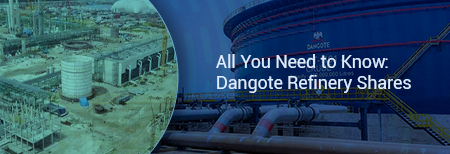
Aliko Dangote has announced that Nigerians will be able to buy shares in Africa's largest refinery within four to five months. The $20 billion Dangote Refinery will list on the Nigerian Exchange Group between June and July 2026, opening ownership of this transformative project to individual investors nationwide.
This historic development marks the first time ordinary Nigerians can own a piece of Africa's biggest single-train refinery, which is already reshaping Nigeria's fuel landscape.
Table of Contents
- What Happened
- Key Details
- What This Means
- Who's Affected
- Timeline
- What You Should Do
- nairaCompare Insight
- FAQs
- Sources
- Related Resources
- Conclusion
What Happened
Aliko Dangote, chairman of Dangote Group, announced on February 21, 2026, that the Dangote Refinery will list shares on the Nigerian stock market within the next four to five months. The announcement came during a visit by the Group Chief Executive Officer of Nigerian National Petroleum Company Limited (NNPCL) and top officials to the refinery complex in Lekki, Lagos.
This represents a major shift for a project that has been closely held since construction began. The refinery, which started producing refined products in 2024, has operated at full capacity of 650,000 barrels per day, making it the world's largest single-train refinery.
.png?width=1264&height=848&name=Gemini_Generated_Image_dt4b9sdt4b9sdt4b%20(1).png)
Key Details
Listing Timeline: June to July 2026 (four to five months from announcement date)
Exchange: Nigerian Exchange Group (NGX)
Percentage Offered: 10% stake in the refinery planned for initial public offering
Total Valuation: Approximately $20 billion for the entire refinery complex
Current Ownership: NNPCL holds a 7.25% equity stake on behalf of the Nigerian government. Aliko Dangote noted this is "more than the shares that Elon Musk has in Tesla."
Dividend Options: Shareholders will choose to receive dividends in either naira or US dollars, since the refinery earns foreign currency
Foreign Exchange Earnings: Projected export earnings of $6.4 billion annually, largely from petrochemicals such as polypropylene and fertiliser
Refinery Capacity: 650,000 barrels per day processing capacity
Current Operations: Full commercial operations producing petrol, diesel, aviation fuel, and petrochemicals
Regulatory Status: Discussions ongoing with the Securities and Exchange Commission Nigeria (SEC) and NGX to finalise IPO structure

What This Means
The listing transforms Dangote Refinery from a private investment into a public company where ordinary Nigerians can become shareholders. This democratises ownership of a critical national asset that has dominated business and energy discussions for years.
For investors, the opportunity represents access to a revenue-generating facility with multiple income streams. The refinery earns dollars through exports whilst also supplying Nigeria's domestic market, providing a natural hedge against naira volatility. Dollar-denominated dividends give shareholders foreign currency exposure, rare among Nigerian stocks.
The listing could significantly strengthen the Nigerian stock market. At a $20 billion valuation, even a 10% offering would bring billions of dollars in market capitalisation to the NGX. This positions the refinery IPO as potentially the largest in Nigerian history, dwarfing previous major listings.
For Nigeria's energy sector, public ownership creates accountability and transparency around a facility designed to end the country's fuel import dependence. Nigeria historically spent over $10 billion annually importing refined petroleum products despite being Africa's biggest crude oil producer. The Dangote Refinery was built specifically to process crude domestically and supply the local and regional market.
The refinery's entry into commercial production has already impacted fuel prices. In February 2026, Dangote reduced petrol prices from ₦799 to ₦774 per litre, undercutting imported fuel landing costs of ₦793 per litre. The facility supplied 62% of Nigeria's petrol in January 2026, overtaking imports for the first time.
Economic ripple effects extend beyond energy. The refinery's operations preserve foreign exchange by reducing import bills, support local employment, and create opportunities for Nigerian businesses in logistics, maintenance, and supply chains. Export earnings from petrochemicals and fertilisers contribute to Nigeria's trade balance.

Who's Affected
Retail Investors: Individual Nigerians will access shares through stock brokerage accounts. Minimum investment amounts will be determined during the IPO process, likely structured to encourage wide participation.
Institutional Investors: Pension funds, insurance companies, asset managers, and banks will likely acquire significant positions, given the refinery's strategic importance and revenue potential.
Existing Shareholders: NNPCL's 7.25% stake remains on behalf of Nigerians. New public shareholders will join this government holding.
Fuel Marketers: Public ownership may influence pricing transparency and distribution arrangements as shareholders monitor operations and profitability.
Diaspora Nigerians: The dollar dividend option specifically targets Nigerians abroad who want naira investments with foreign currency returns.
Nigerian Stock Market: The listing brings substantial market capitalisation, liquidity, and international attention to the NGX.
Energy Sector: Competitors, including the four government-owned refineries (currently non-operational), face increased pressure to perform as Dangote demonstrates domestic refining viability.
Timeline
December 2025: Dangote announced plans to list a 10% stake in 2026
February 21, 2026: Formal announcement of June-July 2026 listing timeline during NNPCL CEO visit
Current Status (February 2026): Discussions ongoing with SEC and NGX to finalise IPO structure, including dollar dividend framework
Next Steps (March-May 2026): SEC approval process, IPO prospectus preparation, share price determination, marketing to institutional and retail investors
Expected Listing (June-July 2026): Shares begin trading on NGX, allowing public purchase
Post-Listing: Quarterly earnings reports, dividend declarations based on refinery performance
What You Should Do
For Prospective Investors:
Open a stock brokerage account if you don't have one. Most Nigerian banks and independent stockbrokers offer trading accounts accessible online. Verify your broker is licensed by the SEC and registered with the NGX.
Research the refinery's operations and financial performance. When the IPO prospectus becomes available, review projected earnings, debt levels, operational costs, and management plans. Understand what you're investing in beyond the hype.
Set a budget for how much you can invest. Determine how many shares you want based on the eventual offering price. Remember that stock investments carry risk, and you should only invest money you can afford to have locked in stocks.
Monitor announcements from Dangote Group, SEC, and NGX regarding listing dates and share pricing. Official information will be published through these channels.
Consider your investment horizon. Refinery shares suit long-term investors willing to hold for years rather than quick-profit traders. Infrastructure investments typically deliver returns over extended periods.
Evaluate whether you want naira or dollar dividends. If you need foreign currency, the dollar option provides direct access without bureau de change spreads.
For Existing Stock Market Investors:
Review your portfolio allocation before adding refinery shares. Ensure diversification across sectors rather than overweighting energy stocks.
Compare the refinery IPO against other investment options, including money market funds, fixed deposits, and existing listed companies. Assess whether the refinery offers superior risk-adjusted returns.
Plan for potential market volatility around the listing. Major IPOs often create price swings as initial demand settles into trading patterns.
For Those New to Stock Investing:
Educate yourself on stock market basics before the listing. Understand how shares work, what dividends mean, how stock prices move, and the risks involved.
Start small if this is your first stock purchase. You can always buy more shares later as you become comfortable with stock investing and as the company proves its performance.
Avoid borrowing to invest in the IPO. Only use personal savings that you can afford to invest for the long term.
nairaCompare Insight
For yield-focused investors, Dangote Refinery shares present a unique opportunity to earn dollar-denominated dividends from a naira investment. This addresses one of Nigerian investors' biggest challenges: accessing foreign currency returns without opening domiciliary accounts or trading forex directly. If the refinery delivers on its $6.4 billion annual export earnings projection, dividend yields could be substantial. However, evaluate dividend sustainability carefully once the prospectus reveals actual financial performance, debt obligations, and capital expenditure plans.
For conservative investors prioritising capital preservation, wait for the first few months of trading before buying shares. Initial IPOs often see price volatility as speculators enter and exit positions. Letting the stock find its natural price level helps you avoid overpaying in opening-day excitement. Monitor quarterly earnings reports after listing to assess whether the refinery's operations match projections. Consistent performance over two to three quarters provides confidence that dividend forecasts are realistic.
Frequently Asked Questions
1. When can I buy Dangote Refinery shares?
Shares will be available to purchase between June and July 2026 when the refinery lists on the Nigerian Exchange Group. The exact date will be announced by Dangote Group, SEC, and NGX closer to the listing.
2. How much will Dangote Refinery shares cost?
The share price hasn't been announced yet. Pricing will be determined through the IPO process in collaboration with the SEC and NGX, likely based on refinery valuation and market conditions at listing time.
3. What percentage of the refinery is being sold?
Dangote announced plans to list a 10% stake in the refinery for the initial public offering. The remaining 90% will stay with existing shareholders, including Dangote Group and NNPCL.
4. Can I receive dividends in dollars?
Yes, shareholders will choose between naira and US dollar dividends. The refinery generates foreign exchange earnings through exports, enabling dollar payments to investors who prefer foreign currency.
5. Is Dangote Refinery currently profitable?
The refinery is operational and generating revenue through petrol, diesel, aviation fuel, and petrochemical sales. Actual profitability figures will be disclosed in the IPO prospectus when published.
6. How do I buy Dangote shares when they're listed?
You need a stock brokerage account with any SEC-licensed stockbroker. You can buy shares through your broker once trading begins on NGX, either online, by phone, or by visiting the broker's office.
7. What is the minimum number of shares I can buy?
Minimum purchase requirements will be specified in the IPO documents. Nigerian IPOs typically set minimums to encourage wide participation, but exact numbers depend on the final share price.
8. Can diaspora Nigerians buy Dangote Refinery shares?
Yes, diaspora Nigerians can buy shares through Nigerian stockbrokers. You'll need to meet brokerage account requirements, including identification and funding arrangements.
9. What risks should I consider before investing?
Stock investments carry market risk, operational risk, regulatory changes, fuel price volatility, foreign exchange fluctuations, and the general risk that returns may not meet expectations. Only invest money you can afford to lose.
10. How does this compare to buying Dangote Sugar or Dangote Cement shares?
Dangote Refinery operates in a different sector (petroleum refining) compared to sugar or cement manufacturing. The refinery offers potential dollar dividends and exposure to Nigeria's energy transformation, whilst sugar and cement provide exposure to consumer goods and construction sectors respectively.
Sources
Nairametrics - Dangote Refinery Shares Open to Nigerians in 5 Months
Daily Post Nigeria - NNPCL: Dangote Announces Date Nigerians Can Buy His $20bn Refinery Shares
Billionaires Africa - Aliko Dangote Says Refinery IPO Could Happen in July 2026
Conclusion
The Dangote Refinery share listing represents a landmark opportunity for Nigerian investors to own part of Africa's largest refinery. With the June-July 2026 listing confirmed, prospective shareholders have four to five months to prepare financially and educationally for this historic IPO.
The dollar dividend option positions these shares as attractive for investors seeking foreign currency exposure, whilst the refinery's strategic importance to Nigeria's energy security adds long-term value potential. Monitor official announcements from Dangote Group, SEC, and NGX for pricing, minimum investment amounts, and exact listing dates.
This article provides general information about Dangote Refinery's planned share listing and does not constitute investment advice. Stock investments carry risk, including potential loss of capital. Share prices fluctuate based on market conditions, company performance, and economic factors. Consult licensed financial advisers for personalised investment guidance.

Noella Lepdung
Noëlla Lepdung is a writer who makes magic with all sorts of content, helping businesses find their voice and meet their ambitions with cutting-edge but human-first advertising. Her portfolio features brands such as Budweiser, The Coca-Cola Company, Nivea, Leadway Group, Honeywell Foods, Monieworx, Kimberly-Clark, and WAMCO.


Other related articles

.webp?width=352&name=Best%20Debit%20and%20Credit%20Cards%20for%20Travelling%20Across%20Africa%20(20).webp)
.png?width=352&name=blog%20header%20(34).png)
.png?width=352&name=blog%20header%20(33).png)